
Want a thicker, healthier beard? Discover the 7 science-backed foods that boost beard growth naturally. Learn which nutrients matter and how to add them to your daily diet.
You’ve tried the balms, the oils, and the expensive serums. You’ve even considered minoxidil. But there’s one factor many men overlook in their quest for a thicker beard: nutrition.
Here’s the truth that no grooming company will tell you: your beard grows from the inside out. No matter how much product you slather on the outside, if your body lacks the raw materials to build strong, healthy hair, your beard will always struggle to reach its full potential.
The average man has 20,000 to 25,000 facial hairs, and each one requires a steady supply of proteins, vitamins, and minerals to grow thick and strong . While genetics determine your maximum potential, nutrition determines whether you actually reach it.
In this comprehensive guide, we’ll explore the 7 most powerful foods that boost beard growth naturally—backed by science and packed with the nutrients your follicles are craving.
The Science of Beard Growth: Why Nutrition Matters
Before diving into specific foods, it’s essential to understand the biology of hair growth. Each strand of beard hair is made almost entirely of a protein called keratin . Your body produces keratin using amino acids derived from the protein you eat.
But protein alone isn’t enough. Hair growth requires a complex interplay of nutrients:
- Vitamins like Biotin (B7), B12, and Vitamin D activate growth pathways
- Minerals like zinc and iron deliver oxygen to follicles
- Healthy fats keep skin moist and follicles functioning
- Antioxidants protect growing hairs from damage
When you’re deficient in any of these, your body prioritizes essential functions over hair growth. The result? Slower growth, thinner strands, and increased shedding .
The good news: by strategically adding specific foods to your diet, you can provide your body with exactly what it needs to maximize your beard’s potential.
Food #1: Eggs – The Complete Protein Package
If you could only eat one food for beard growth, eggs would be the overwhelming choice. They’re nature’s multivitamin for hair health, containing almost every nutrient your follicles need.
Why Eggs Work
Eggs are one of the few foods that qualify as a complete protein, meaning they contain all nine essential amino acids your body cannot produce on its own . These amino acids are the building blocks of keratin, the protein that makes up 90% of your hair .
More importantly, eggs are packed with Biotin (Vitamin B7) . Biotin is perhaps the most famous hair-growth nutrient because it’s directly involved in keratin production. A single large egg provides about 10 micrograms of biotin—roughly one-third of your daily needs .
The yolk is particularly important. Many health trends have unfairly demonized egg yolks, but for beard growth, the yolk is where the magic happens. It contains biotin, Vitamin A, Vitamin D, and healthy fats that support hormone production, including testosterone .
How to Add More Eggs to Your Diet
- Start your day with two eggs—scrambled, poached, or boiled
- Add a hard-boiled egg to your lunch salad for a protein boost
- Make a quick omelet with vegetables for a nutrient-dense dinner
Pro tip: Don’t throw away the yolks. Unless you have specific cholesterol concerns advised by your doctor, whole eggs are significantly better for beard growth than egg whites alone .
Food #2: Fatty Fish – Omega-3 Powerhouse
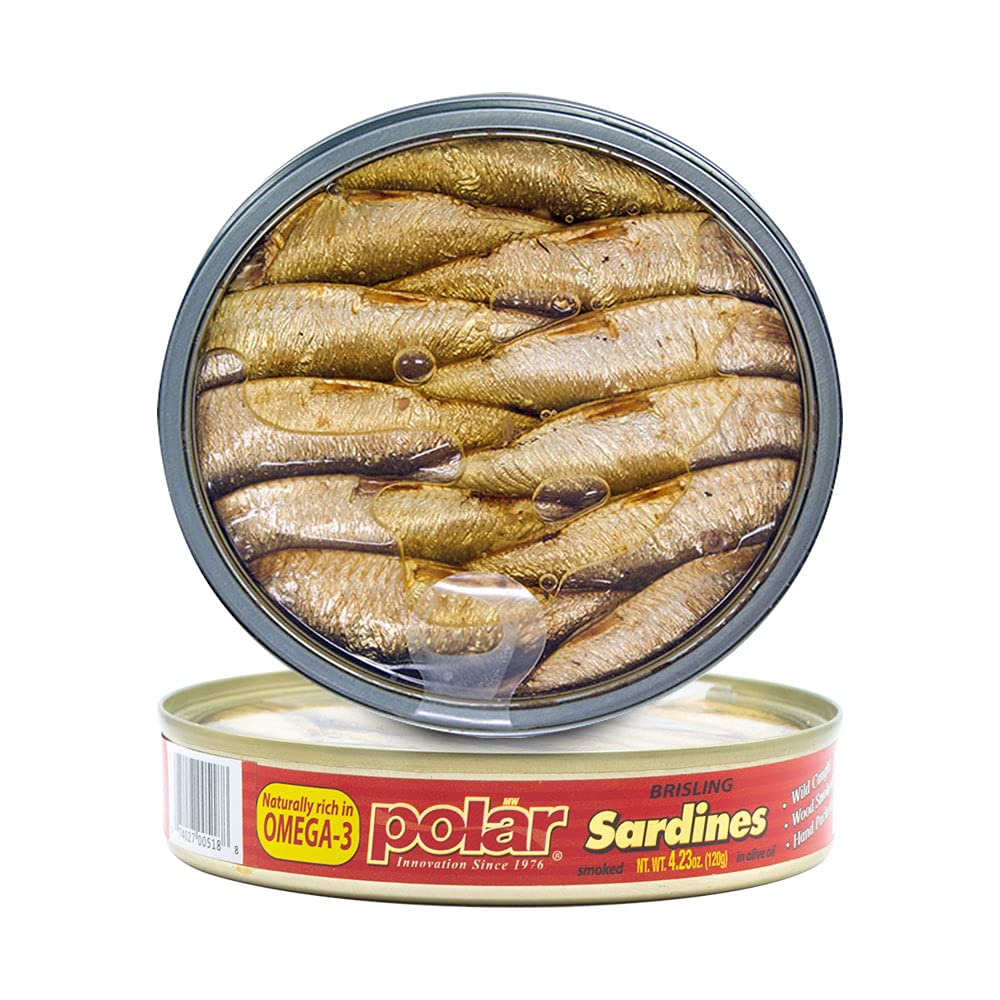
Salmon, mackerel, sardines, and other fatty fish are among the best foods you can eat for overall health—and your beard loves them just as much as your heart does.
Why Fatty Fish Works
Fatty fish are the richest dietary source of Omega-3 fatty acids, particularly EPA and DHA. These healthy fats are crucial for beard growth because they:
- Nourish hair follicles by improving blood circulation to the scalp and face
- Keep the skin beneath your beard hydrated, preventing dryness and itch
- Reduce inflammation that can disrupt the hair growth cycle
- Support sebum production, keeping hairs moisturized from root to tip
A 2018 study published in the Journal of Cosmetic Dermatology found that omega-3 supplementation significantly improved hair density and reduced hair loss in participants . While the study focused on scalp hair, the same biological mechanisms apply to facial hair.
Fatty fish are also excellent sources of Vitamin D, which plays a surprising role in hair growth. Research shows that Vitamin D receptors are directly involved in the hair follicle cycle, and deficiencies are linked to hair loss conditions .
How to Add More Fatty Fish to Your Diet
- Aim for two servings of fatty fish per week (about 8-12 ounces total)
- Grill salmon with herbs for a delicious dinner
- Add sardines to salads or pasta dishes
- Try canned mackerel as a quick, affordable option
Pro tip for non-fish eaters: If you don’t eat fish, consider a high-quality algae-based omega-3 supplement, which provides DHA and EPA without the fish .
Search for Wild-Caught Salmon on Amazon
Search for Omega-3 Fish Oil Supplements on Amazon
Food #3: Oysters – The Zinc Champions
When it comes to minerals for hair growth, zinc sits at the top of the throne—and oysters are the undisputed kings of zinc content.
Why Oysters Work
Zinc is a trace mineral that plays multiple critical roles in beard growth:
- It helps repair damaged hair follicles
- It supports the oil glands around follicles to keep hair moisturized
- It’s essential for DNA and protein production, including keratin
- It helps regulate hormones, including testosterone
A single medium oyster provides 5-7 mg of zinc—that’s 50-70% of the recommended daily intake for adult men . This makes oysters the most concentrated natural source of zinc available.
Zinc deficiency is surprisingly common, affecting up to 17% of the global population . Symptoms include slow hair growth, increased shedding, and even hair loss. If your beard seems stuck in a rut, low zinc could be the culprit.
How to Add More Oysters to Your Diet
- Enjoy fresh oysters as an appetizer when dining out
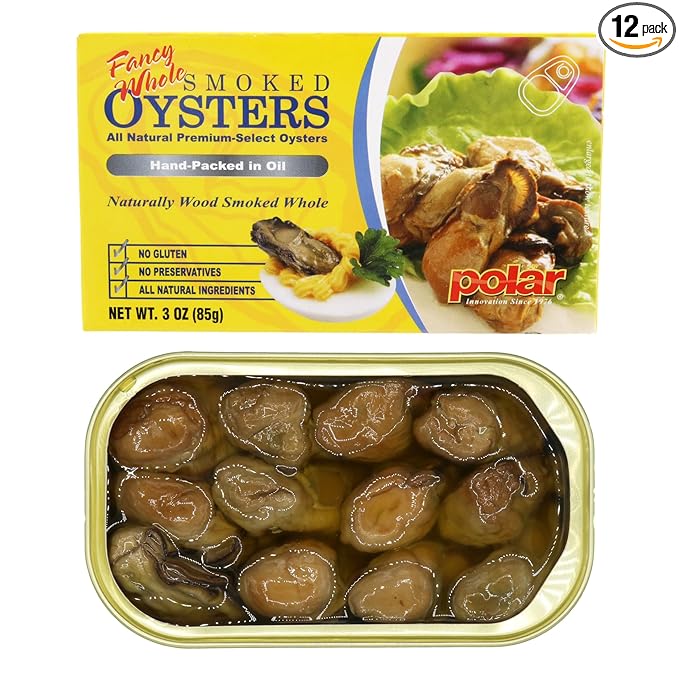
- Buy canned smoked oysters for a quick, affordable snack
- Add oysters to seafood stews or pasta dishes
Pro tip: If oysters aren’t your thing, other good zinc sources include beef, pumpkin seeds, and chickpeas. But for pure zinc density, nothing beats oysters .
Search for Canned Smoked Oysters on Amazon
Search for Zinc Supplements on Amazon
Food #4: Spinach – The Follicle Fuel
Popeye knew what he was doing. This leafy green is packed with nutrients that directly support hair growth.
Why Spinach Works
Spinach is a nutritional powerhouse for beard growth because it contains:
- Iron: Essential for carrying oxygen to hair follicles. Iron deficiency is directly linked to hair loss and slow growth .
- Vitamin C: Helps your body absorb iron more effectively and produces collagen, which strengthens hair
- Vitamin A: Helps sebum production, keeping your beard naturally moisturized
- Folate (B9): Supports red blood cell production, improving follicle nutrition
The combination of iron and Vitamin C in spinach is particularly powerful. While many plant foods contain iron, the Vitamin C in spinach helps your body absorb that iron more efficiently—a perfect natural pairing.
How to Add More Spinach to Your Diet
- Add a handful to your morning smoothie (you won’t taste it)
- Use spinach as a base for salads instead of lettuce
- Sauté spinach with garlic as a quick side dish
- Add spinach to omelets, pasta sauces, and soups
Pro tip: Frozen spinach is just as nutritious as fresh and often more affordable. Keep a bag in your freezer for easy addition to any meal .
Food #5: Nuts and Seeds – The Snack That Builds Beards
Nuts and seeds are convenient, portable, and packed with beard-building nutrients. They’re the perfect snack for men who want to support growth without complicated meal prep.
Why Nuts and Seeds Work
Different nuts and seeds offer different benefits:
Almonds: Rich in biotin and Vitamin E. A one-ounce serving of almonds provides about one-third of your daily Vitamin E needs . Vitamin E is a powerful antioxidant that protects hair follicles from oxidative stress.
Walnuts: Excellent source of omega-3 fatty acids (specifically ALA) and biotin. They also contain copper, which helps maintain hair color and structure.
Pumpkin Seeds: Packed with zinc, iron, and magnesium. They’re also one of the best plant sources of omega-3s.
Sunflower Seeds: Rich in Vitamin E, B vitamins, and selenium—another mineral that supports hair health.
Flaxseeds and Chia Seeds: Outstanding sources of plant-based omega-3s and fiber.
How to Add More Nuts and Seeds to Your Diet
- Keep a mixed nut blend at your desk for healthy snacking
- Sprinkle pumpkin seeds on salads or oatmeal
- Add ground flaxseed to smoothies or yogurt
- Make your own trail mix with nuts, seeds, and dark chocolate
Pro tip: Choose raw or dry-roasted nuts when possible. Nuts roasted in oil add unnecessary fats that don’t benefit your beard .
Search for Raw Almonds on Amazon
Search for Pumpkin Seeds on Amazon
Search for Chia Seeds on Amazon
Food #6: Sweet Potatoes – Beta-Carotene Bombs
This vibrant root vegetable is one of the best dietary sources of beta-carotene, which your body converts to Vitamin A.
Why Sweet Potatoes Work
Vitamin A is essential for beard growth because:
- It helps produce sebum, the natural oil that keeps your beard moisturized and healthy
- It supports cell growth, including the cells that make up hair follicles
- It acts as an antioxidant, protecting follicles from damage
A single medium sweet potato contains more than 400% of your daily Vitamin A needs —all in the form of beta-carotene, which your body regulates safely (unlike preformed Vitamin A supplements, which can be toxic in excess).
Vitamin A deficiency leads to dry, brittle hair and slowed growth . By ensuring adequate intake through sweet potatoes, you’re giving your beard the moisture it needs from the inside out.
How to Add More Sweet Potatoes to Your Diet
- Bake sweet potatoes as a side dish (they’re delicious with just a little butter and cinnamon)
- Make sweet potato fries (baked, not fried)
- Add cubed sweet potatoes to stews and chili
- Try sweet potato toast —thin slices toasted and topped with avocado or eggs
Pro tip: Leave the skin on for maximum fiber and nutrients. Just wash thoroughly before cooking .
Food #7: Greek Yogurt – Protein and Probiotics Combined
Greek yogurt offers a unique combination of high-quality protein and gut-healthy probiotics that may indirectly support beard growth.
Why Greek Yogurt Works
Greek yogurt is essentially concentrated protein. A single serving provides 15-20 grams of protein—significantly more than regular yogurt. This protein provides the amino acids needed for keratin production.
But the probiotic angle is equally interesting. Emerging research suggests that gut health influences hair growth through the gut-skin axis. A healthy gut microbiome helps your body absorb nutrients more efficiently and reduces systemic inflammation that can disrupt hair cycles .
Greek yogurt is also rich in Vitamin B5 (pantothenic acid) , which helps prevent hair thinning and loss, and Vitamin B12, which supports red blood cell production.
How to Add More Greek Yogurt to Your Diet
- Start your day with Greek yogurt topped with nuts and berries
- Use Greek yogurt as a base for smoothies
- Replace sour cream with Greek yogurt on tacos or baked potatoes
- Make healthy dips by mixing Greek yogurt with herbs and spices
Pro tip: Choose plain, unflavored Greek yogurt to avoid added sugars. You can sweeten it naturally with fruit .
Bonus: Hydration – The Overlooked Essential
While not a food, water deserves mention because it’s fundamental to every biological process involved in hair growth.
Every cell in your body—including hair follicle cells—requires water to function properly. Dehydration leads to dry, brittle hair that breaks easily and grows slowly .
Aim for 8-10 glasses of water daily, more if you’re active or live in a hot climate. Herbal teas and water-rich fruits and vegetables (cucumber, watermelon, oranges) also contribute to your hydration needs.
Putting It All Together: A Sample Beard-Boosting Day
Wondering how to actually incorporate these foods into your daily life? Here’s a sample day:
Breakfast:
- Omelet with 2 eggs and spinach
- Side of Greek yogurt with berries and pumpkin seeds
Lunch:
- Grilled salmon salad with mixed greens, sweet potato cubes, and a handful of almonds
Snack:
- Handful of mixed nuts and an apple
Dinner:
- Grassed beef steak with roasted sweet potatoes and sautéed spinach
Evening:
- Cup of herbal tea
When to Consider Supplements
While whole foods should always be your first choice, supplements can help fill nutritional gaps. Consider supplements if:
- You have dietary restrictions (vegan, vegetarian, allergies)
- You have a diagnosed deficiency
- Your diet is inconsistent due to lifestyle or travel
Key supplements for beard growth:
- Biotin: 2.5-5 mg daily
- Zinc: 11 mg daily (but don’t exceed 40 mg)
- Omega-3: 1,000-2,000 mg daily of combined EPA/DHA
- Vitamin D: 600-800 IU daily (more if you’re deficient)
Important: Always consult a healthcare provider before starting new supplements, especially at high doses.
The Timeline: What to Expect
Nutrition isn’t an overnight fix. Hair grows slowly—about half an inch per month on average . Changes you make today will affect the hair that emerges from your follicles weeks from now.
Realistic timeline:
- Month 1-2: You may notice less shedding and healthier skin
- Month 3-4: New growth may appear slightly thicker and stronger
- Month 6+: Cumulative effects become noticeable in overall density
Be patient and consistent. Your beard is playing the long game.
The Bottom Line: Feed Your Beard
Your beard is a reflection of your internal health. No amount of topical products can compensate for a diet that lacks the nutrients your follicles need to thrive.
By incorporating these 7 foods into your regular rotation—eggs for protein and biotin, fatty fish for omega-3s, oysters for zinc, spinach for iron, nuts and seeds for vitamin E, sweet potatoes for Vitamin A, and Greek yogurt for protein and probiotics—you’re giving your body exactly what it needs to maximize your beard potential.
Genetics may set the limits, but nutrition determines how close you get to them. Start feeding your beard today, and watch what happens.