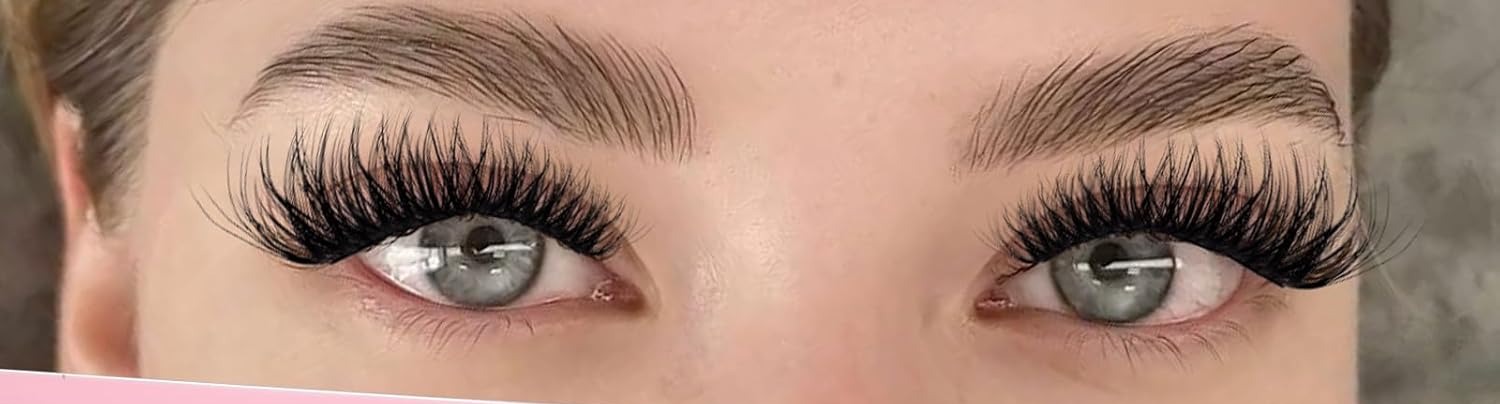

Long, dark, fluttery eyelashes are universally admired. They frame the eyes, make us look more awake, and are a billion-dollar beauty obsession. But walk into any drugstore or scroll through social media, and you’ll be flooded with claims: lash serums, growth conditioners, extensions, lifts, castor oil, Vaseline, even Latisse. What does science say actually works?
Let’s strip away the marketing hype and look at the biology, the evidence, and the real mechanisms behind longer lashes.


First, Understand the Natural Lash Cycle
Your eyelashes aren’t like the hair on your head. They have a much shorter anagen (growth) phase – only 30 to 45 days – followed by a long telogen (resting) phase of 2 to 4 months, then they fall out. At any given time, about 40% of your upper lashes are growing; the rest are resting or shedding.
This means:
- Natural maximum lash length is genetically determined.
- You cannot “force” a lash to keep growing past its programmed cycle.
- What you can do is extend the anagen phase or protect lashes from breaking.
So what actually lengthens lashes? There are only a few scientifically validated approaches.
1. Prostaglandin Analogs (The Only FDA‑Approved Growth Stimulants)

This is the real science. Prostaglandin analogs are prescription compounds originally developed for glaucoma. Patients noticed a side effect: dramatically longer, thicker, darker lashes.
How they work:
They bind to prostaglandin receptors in the hair follicle, artificially prolonging the anagen (growth) phase and increasing the number of hairs that grow.
Examples:

- Latisse (bimatoprimid ophthalmic solution 0.03%) – the only FDA‑approved lash growth treatment.
- Generic bimatoprost.
- Some over‑the‑counter serums (GrandeLASH, RevitaLash, etc.) contain synthetic prostaglandin analogs or derivatives (isopropyl cloprostenate, dechloro dihydroxy difluoro ethylcloprostenolamide).
What works:
✅ Latisse and prescription bimatoprost produce measurable lengthening in 8–16 weeks.
✅ Many OTC “lash growth” serums with prostaglandin derivatives also work – but they are less regulated.
The catch:
⚠️ Side effects are real: eye irritation, darkening of the eyelid skin, increased brown pigmentation of the iris (permanent), and potential orbital fat loss (hollowing around the eyes).
⚠️ Once you stop, lashes revert to their original length within weeks.
Science verdict: Proven to work, but not risk‑free.

2. Peptides and Biotin (The “Safer” but Weaker Option)
Many prostaglandin‑free serums advertise peptides, biotin, hyaluronic acid, and red clover extract. Do they work?
How they work (in theory):
Peptides (e.g., myristoyl pentapeptide-17) are thought to signal hair follicles to enter the growth phase. Biotin supports keratin production. Hyaluronic acid hydrates the lash shaft to reduce brittleness and breakage.
What the science says:

- Limited independent studies exist. Most evidence comes from small, brand‑funded trials.
- Peptides may modestly improve lash appearance (thickness, less breakage) but do not dramatically extend the growth phase like prostaglandins.
- Biotin only helps if you are deficient (rare for lashes).
Verdict: Safer than prostaglandins, but effects are subtle – more “conditioning” than “lengthening.”
3. Castor Oil: Myth vs. Reality

Castor oil is the #1 natural recommendation for longer lashes. Does it work?
The claim: Ricinoleic acid (a fatty acid in castor oil) blocks prostaglandin inhibitors, potentially prolonging growth.
The reality:
- Zero high‑quality human studies show castor oil increases lash length.
- What it does do: moisturizes the lash shaft, reducing breakage and making lashes look thicker and healthier. Less breakage = longer lashes relative to your baseline, but it won’t grow new hairs or change your genetic cycle.
- Side effects: can cause eye irritation, blurred vision, and clogged meibomian glands (leading to styes).
Verdict: Mildly helpful for preventing breakage, but not a true growth serum.
4. Lash Lifts & Tints: Optical Illusions That Work
These don’t “grow” lashes, but they create the appearance of longer lashes – and sometimes that’s enough.
- Lash lift (perm): Curls your natural lashes from the base, making them look longer because they point upward instead of straight out.
- Lash tint: Darkens the tips, creating visual contrast against the skin.
Science says: Both are safe when done professionally. The lift uses thioglycolate chemistry similar to hair perms. No growth, but immediate visible lengthening.
Verdict: Instant gratification without drugs or daily serums.

5. Lash Extensions: The Longest “Instant” Fix
Extensions are individual synthetic fibers glued to each natural lash. They don’t change biology, but they give you length that surpasses what your own lashes could ever achieve.
Why they work: Physical adhesion, not biological stimulation.
Downsides: Improper application can damage natural lashes. Heavy extensions accelerate the natural shedding cycle due to weight.
Verdict: Best immediate length, but requires ongoing maintenance and careful aftercare.
6. What Doesn’t Work (No Matter What TikTok Says)
- Vaseline (petroleum jelly): Occlusive only – no growth properties.
- Cutting your lashes: They do not grow back thicker or longer. You just have blunt, shorter lashes.
- Aloe vera, coconut oil, green tea: Hydrating, not growth‑stimulating.
- Frequent curling (manual or heated): Can cause mechanical breakage, making lashes appear shorter over time.
The Bottom Line: What Actually Works for Longer Lashes?
| Method | Effectiveness | Safety | Scientific Support |
|---|---|---|---|
| Prescription prostaglandins (Latisse) | High (real growth) | Moderate (side effects) | Strong |
| OTC prostaglandin serums | Moderate to high | Low to moderate (less regulated) | Moderate |
| Peptide/biotin serums | Low to moderate (conditioning) | High | Weak |
| Castor oil | Very low (breakage prevention) | Low (eye irritation) | None |
| Lash lift + tint | High (optical illusion) | High (if professional) | N/A |
| Lash extensions | High (instant length) | Moderate (damage risk) | N/A |
If you want true biological lengthening:
Latisse or a reputable prostaglandin-based serum is the only proven route. Accept the side effect risks and the need for continued use.
If you want safer, subtler improvement:
Use a peptide serum daily + protect lashes from rubbing and oil-based makeup + get a lash lift every 6–8 weeks.
If you want instant drama:
Quality lash extensions, applied by a certified artist, with proper aftercare.
Final Takeaway
The science behind longer eyelashes comes down to one word: prostaglandins. They are the only compounds proven to actually grow lashes beyond your genetic blueprint. Everything else – from castor oil to lifts to extensions – either conditions, protects, or creates an illusion.
So the next time you see a miracle serum promising “lashes to the moon” for $15, ask yourself: does it contain a prostaglandin analog? If not, it’s likely just a good moisturizer. And that’s okay – just don’t expect science‑fiction results.
Disclaimer: This article is for informational purposes only and does not constitute medical advice. Consult a dermatologist or ophthalmologist before starting any lash growth product, especially prescription prostaglandins.
Unaffiliated disclosure: This content is not sponsored. Any product mentions are for educational purposes only.