
For generations, men have searched for the secret to a thicker, fuller beard. From ancient remedies to modern serums, the quest for facial hair dominance is real. But one of the most common pieces of advice floating around gyms and grooming forums is that hitting the weights or pounding the pavement can help you grow a better beard.
But is this bro-science, or is there actual biology behind the claim? If you’ve ever wondered whether your gym sessions are contributing to your beard gains, you’re in the right place. Let’s break down the connection between exercise and facial hair growth, separating fact from fiction.
The Hormonal Hook: Testosterone and DHT
To understand how exercise might influence your beard, you first need to understand what makes beard hair grow in the first place. The primary drivers are hormones—specifically, testosterone and its more potent derivative, dihydrotestosterone (DHT).
Here is the process: The enzyme 5-alpha reductase converts testosterone in your body into DHT. DHT then binds to receptors in your hair follicles, signaling them to produce thick, terminal hair (the kind that makes up a beard). This is why facial hair is considered a secondary sex characteristic that emerges during puberty when hormone levels rise.
However—and this is a critical point—having more testosterone does not automatically mean you will have a thicker beard. Your beard growth is primarily determined by how sensitive your hair follicles are to DHT, and this sensitivity is written in your genetic code. Some men can have sky-high testosterone and a patchy beard, while others with average levels can grow a lush, full beard because their follicles are highly receptive to DHT.
The Exercise Connection: What the Research Says
So, where does exercise fit in? While you cannot change your genetics, you can influence your hormone levels and overall health. This is where exercise becomes a powerful tool in your beard-growing journey.
1. Testosterone Boosts (The Acute Effect)
It is well-documented that exercise, particularly resistance training (like weightlifting) and high-intensity interval training (HIIT) , can cause a temporary spike in testosterone levels. Immediately following a heavy squat session, your body is flooded with hormones designed to help you repair and grow muscle.
While this spike is temporary, consistent exercise helps maintain a healthy hormonal baseline. By regularly stimulating testosterone production, you are ensuring that your body has plenty of the raw material (testosterone) needed to convert into the active growth hormone (DHT).
2. Blood Flow and Circulation
Perhaps an even more direct benefit of exercise is its impact on circulation. When you exercise, your heart rate increases, pumping more blood—and with it, oxygen and essential nutrients—throughout your body.
This includes the small blood vessels in your face that feed your hair follicles. Improved blood flow means your follicles receive a richer supply of the vitamins and minerals they need to produce healthy, strong hair. As one expert noted, exercise helps “unclog the hair follicles, giving enough space for the new hair to grow” by promoting sweating and clearing out debris.
3. Stress Reduction (Lowering Cortisol)
Stress is a silent killer of health, and it is terrible for your hair. When you are stressed, your body produces cortisol, a hormone that can actually inhibit the positive effects of testosterone and disrupt the hair growth cycle. High cortisol levels can lead to hair thinning and even hair loss.
Exercise is one of the most effective ways to manage stress. Physical activity burns off excess cortisol and triggers the release of endorphins, helping to keep your body in a state of hormonal balance that is conducive to hair growth.
👉 Shop Home Gym Equipment on Amazon
The Foundation: Diet, Sleep, and Grooming
While exercise creates the internal environment for growth, it is only one piece of the puzzle. To maximize your results, you need to support your workouts with proper recovery and nutrition.
Eat for Your Follicles
You cannot out-train a bad diet, and this applies to your beard as well. Hair is made of protein (keratin), so a diet rich in lean meats, eggs, and legumes is essential. Specific nutrients play starring roles in hair health:
- Biotin (Vitamin B7): Found in eggs, nuts, and whole grains, it helps produce keratin.
- Vitamin D: May help reactivate follicles that have stopped growing hair. Get it from fish, eggs, or sunlight.
- Zinc: Supports hair tissue growth and repair. Found in oysters, beef, and pumpkin seeds.
Prioritize Sleep
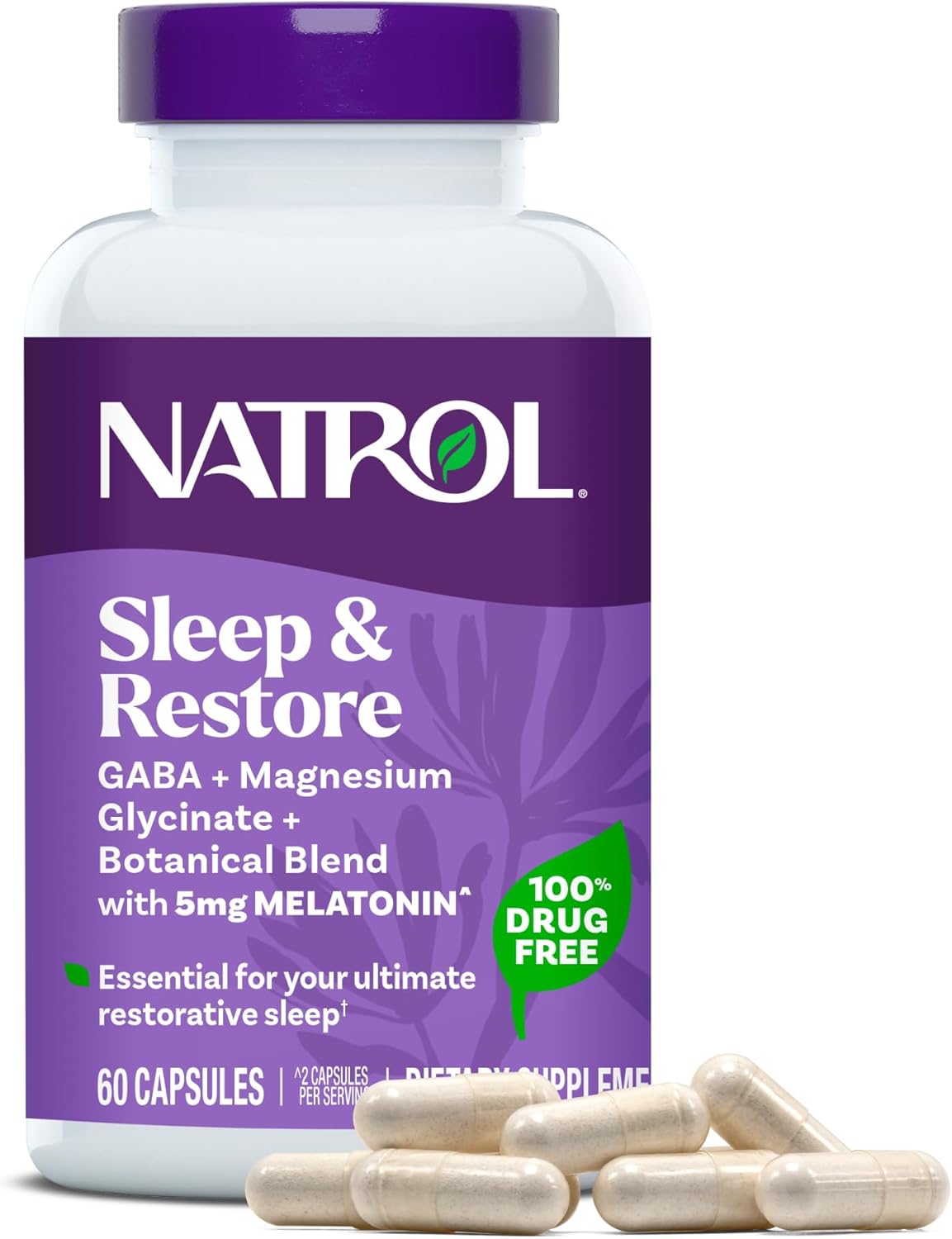
Your body doesn’t build muscle or grow hair while you are running on a treadmill; it does it while you sleep. During deep sleep, your body repairs tissues and regulates hormone production. Studies have shown that sleep restriction can significantly lower testosterone levels. Aim for 7-9 hours of quality sleep per night to give your hormones a chance to recover and do their job.
👉 Browse Sleep Aids & Supplements on Amazon
Clean the Canvas
With increased exercise comes increased sweat. While sweating helps clear pores, leaving sweat and grime on your skin can clog them, leading to acne and ingrown hairs. You need to adjust your grooming routine.
- Wash regularly: Use a specialized beard wash or a gentle facial cleanser post-workout to remove sweat, bacteria, and dead skin cells.
- Moisturize: Sweat can dry out your skin. Replenish moisture with a quality beard oil to keep the skin underneath healthy and flake-free.
👉 Shop Beard Oils & Washes on Amazon
Gear Up: Tools to Track Progress and Stay Consistent
Knowing what to do is only half the battle; the other half is actually doing it consistently. In the modern fitness world, having the right tools can make the difference between giving up after two weeks and building a habit that lasts a lifetime. This is where technology and quality equipment come into play.
The Value of a Fitness Tracker
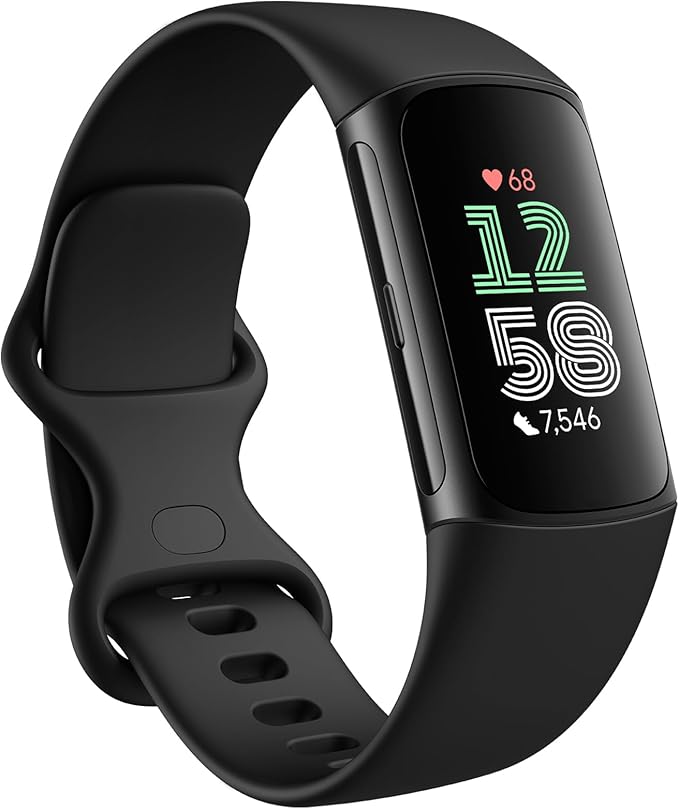
If you are serious about optimizing your hormones and health for better beard growth, you need data. A quality fitness tracker does more than just count your steps. It monitors your heart rate during workouts to ensure you are hitting the intensity needed for that hormonal spike (like HIIT or heavy lifting). More importantly, many modern trackers analyze your sleep quality—that crucial recovery window we discussed earlier. By tracking your deep sleep and REM cycles, you can ensure you are actually getting the 7-9 hours of restorative rest your body needs to produce testosterone and repair hair follicles. Wearing a tracker turns vague goals like “exercise more” and “sleep better” into measurable, actionable data.
👉 Find Fitness Trackers & Gear on Amazon
Building Your Home Gym
You don’t need a expensive gym membership to reap the beard-growing benefits of exercise. In fact, having equipment at home removes the most common barrier to consistency: the commute. Building a simple home gym setup allows you to get a workout in anytime, whether it’s first thing in the morning or right before bed.
For resistance training—which is key for that testosterone boost—you have options. A set of adjustable dumbbells is incredibly versatile, allowing you to do everything from bicep curls to goblet squats without taking up much space. If you are short on floor space, a sturdy set of resistance bands can provide an amazing workout with zero footprint. For the cardio needed to burn off stress (cortisol) and improve blood flow, a jump rope is the most cost-effective tool, or you might invest in a stationary bike or rowing machine for low-impact, high-intensity sessions.
The Essential Gear: Comfort and Safety
Finally, never underestimate the power of proper workout gear. Wearing the right clothing isn’t about vanity; it’s about performance and safety. A good pair of cross-training shoes provides the stability needed for lifting weights and the cushioning needed for cardio, preventing injuries that could sideline your routine. Moisture-wicking fabrics keep you cool and dry, making your workout more comfortable so you are more likely to finish it. When you feel like an athlete, you train like one.
👉 Shop Home Gym Equipment on Amazon
By investing in the right tools—whether it’s a tracker on your wrist or a set of weights in your living room—you are investing in your long-term health. And as we’ve established, a healthier, more active you is the foundation for reaching your maximum beard potential.
The Bottom Line: Does It Work?
So, does exercise increase beard growth?
Yes, indirectly. Exercise will not give you a beard that your genetics say you cannot have. If your follicles are not programmed to grow hair in a certain area, no amount of squats will change that.
However, exercise will help you achieve the maximum potential of your genetic blueprint. By boosting circulation, optimizing testosterone levels, and reducing stress, you are creating the optimal internal environment for your hair follicles to thrive. A man who exercises, eats well, sleeps enough, and manages his stress will almost certainly have healthier, stronger, and potentially faster-growing facial hair than his sedentary, junk-food-eating counterpart.
Think of exercise as the fertilizer for your garden. The seeds (your genetics) determine what can grow. But the fertilizer (your lifestyle) determines how well it grows.
Get Started Today
Ready to invest in your health and your beard? Consistency is key.