
You know the feeling. A few days after shaving your upper lip, you notice it—a small, red bump that’s tender to the touch. It might be itchy, maybe even a little painful. You look closer and spot a hair trapped just beneath the surface.
Welcome to the world of ingrown hairs around the mustache.
Medically known as pseudofolliculitis barbae, this condition affects countless men who shave their upper lip . Those pesky bumps aren’t just annoying—they can lead to dark spots, scarring, and serious discomfort if left untreated .
The good news? With the right techniques and products, you can prevent ingrown hairs entirely and keep your mustache area smooth, clear, and irritation-free.
What Causes Ingrown Hairs in the Mustache Area?
Before we fix the problem, let’s understand why it happens.
The Science Behind the Bump
Ingrown hairs occur when a hair that’s been shaved curls back and grows into the skin instead of outward . This can happen in two ways :
- Extrafollicular penetration: The hair exits the follicle normally but then curves back and re-enters the skin nearby.
- Transfollicular penetration: The hair never makes it out of the follicle—it grows sideways through the follicle wall and into the surrounding skin.
Why the Mustache Is Especially Vulnerable
The upper lip area is prime real estate for ingrown hairs for several reasons:
- Curly hair is more prone: If you have naturally curly or coarse facial hair, you’re at higher risk. The tight curl pattern makes it easier for hairs to loop back into the skin . Studies estimate that up to 83% of Black men develop pseudofolliculitis barbae due to hair texture .
- Shaving creates sharp tips: When you shave, you’re cutting each hair at an angle, creating a sharp point that can easily pierce the skin as it grows back .
- Close shaves are the enemy: Pulling the skin taut while shaving allows the hair to retract below the skin surface after cutting, virtually guaranteeing an ingrown hair as it grows out .
Step 1: Master Your Shaving Technique
The foundation of ingrown hair prevention is how you shave. You can buy all the products in the world, but if your technique is wrong, you’ll still get bumps.
Before You Shave: Preparation Is Everything
Shave after showering, not before. Hot water and steam soften both your hair and skin, making for a much gentler shave . If you can’t shower first, hold a warm, damp towel against your mustache area for 2-3 minutes .
Hydrate the hair. Soft hair is less likely to create a sharp, piercing tip when cut. Well-hydrated hair produces a blunter edge that’s less likely to penetrate skin .
During Shaving: The Golden Rules
Shave with the grain. This is non-negotiable. Shaving against the grain gives you a closer shave, but it also cuts the hair too short and increases the chance it will retract below the skin surface . Shave in the direction your hair grows—you won’t feel as smooth immediately, but your skin will thank you later.
Don’t pull the skin taut. It’s tempting to stretch your upper lip to get a closer shave, but resist. When you release the skin, the cut hair retracts below the surface .
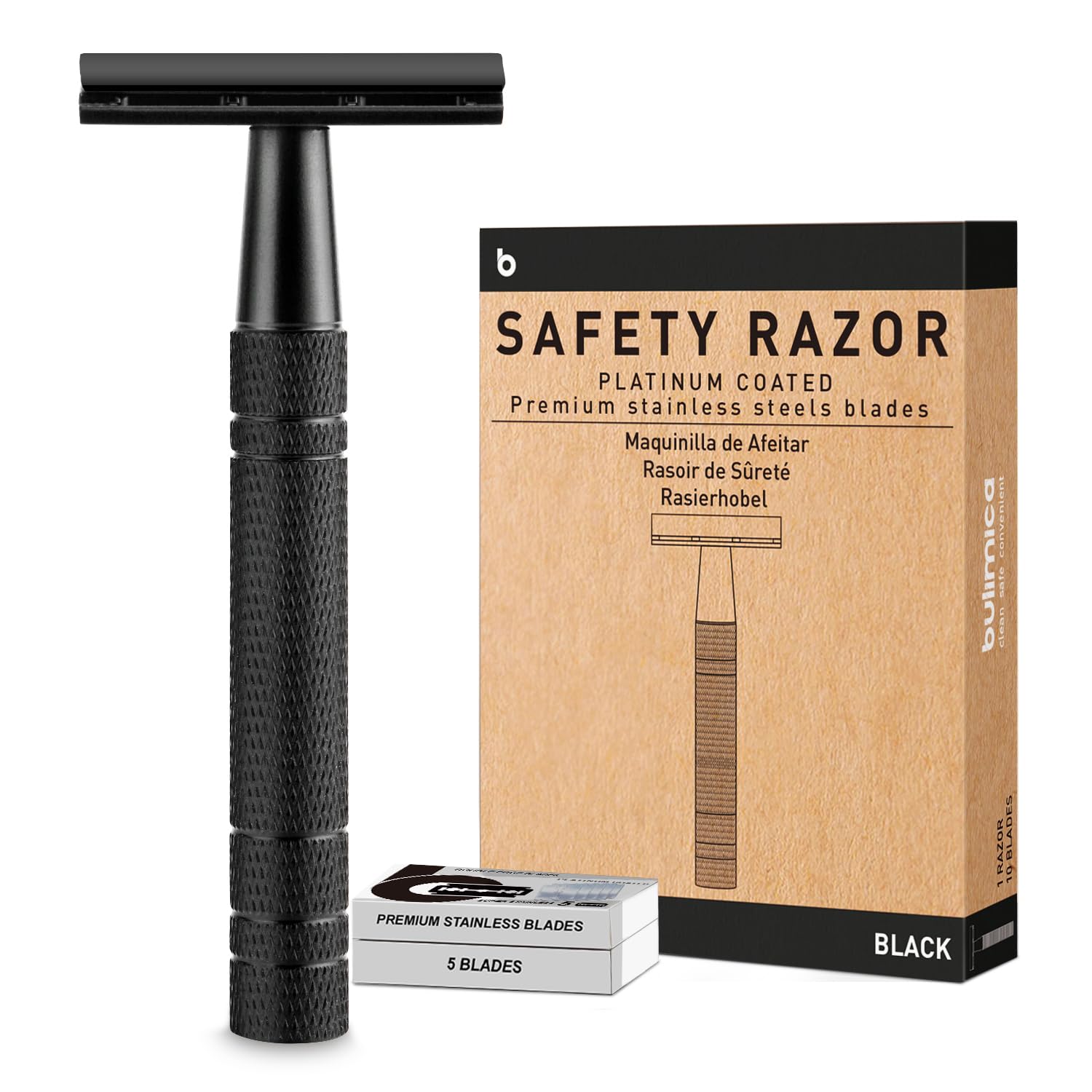
Use a single-blade razor or an electric trimmer. Multi-blade razors work by having one blade pull the hair up while the next blade cuts it—perfect for creating ingrown hairs . Consider switching to a single-blade safety razor or an electric trimmer set to leave a tiny bit of stubble (at least 1mm long) .
Use a sharp blade every time. Dull blades tug at hair and cause irritation. Never reuse a blade more than 3-4 times .
👉 Search for Single Blade Safety Razor on Amazon
👉 Search for Electric Beard Trimmer on Amazon
👉 Search for Pre-Shave Oil on Amazon
Step 2: Use the Right Shaving Cream
Your choice of shaving cream matters more than you think.
What to Look For
- Moisturizing formulas: These reduce drag and friction, which irritate skin .
- Fragrance-free options: Chemicals and fragrances can break down the skin’s protective barrier, increasing sensitivity .
- Gels that create rich lather: The more slip, the better.
What to Avoid
- Drying, alcohol-based foams: These strip natural oils and leave skin vulnerable.
- Harsh fragrances: A leading cause of contact dermatitis and irritation.
After shaving, apply an emollient, fragrance-free moisturizer to soothe and protect the skin .
👉 Search for Moisturizing Shaving Cream on Amazon
👉 Search for Fragrance-Free Shaving Gel on Amazon
👉 Search for Post-Shave Moisturizer on Amazon
Step 3: Exfoliate Regularly
Exfoliation is your secret weapon against ingrown hairs. It removes the dead skin cells that can trap hairs beneath the surface .
Physical Exfoliation
Use a gentle facial scrub or an exfoliating glove 2-3 times per week. This helps lift hairs that might be starting to curl back into the skin .
Be gentle. Aggressive scrubbing can irritate skin and make things worse. Think light, circular motions.
👉 Search for Gentle Facial Scrub on Amazon
👉 Search for Exfoliating Face Glove on Amazon
Chemical Exfoliation
Chemical exfoliants use acids to dissolve the bonds holding dead skin cells together, preventing buildup without harsh scrubbing .
Look for products containing:
- Salicylic Acid (BHA): Penetrates deep into pores and exfoliates inside the follicle .
- Glycolic Acid (AHA): Exfoliates the skin’s surface and softens bumps .
- Lactic Acid: A gentler AHA that also hydrates.
These ingredients are often found in toners, pads, or serums designed for ingrown hair prevention.
👉 Search for Salicylic Acid Toner on Amazon
👉 Search for Glycolic Acid Exfoliating Pads on Amazon
Step 4: Use Targeted Ingrown Hair Treatments
Sometimes, even with perfect technique, you need backup. Specialized ingrown hair treatments are formulated to prevent and treat bumps before they become problems.
Key Ingredients to Look For
How to Use Treatment Products
Most ingrown hair treatments are applied after shaving, on clean, dry skin. Some are leave-on liquids, others are serums or creams.
Important: Always do a patch test on a small area first, especially if you have sensitive skin.
👉 Search for Ingrown Hair Treatment on Amazon
👉 Search for Tea Tree Oil For Face on Amazon
Step 5: Know When to Let It Grow
This is the nuclear option, but it’s also the most effective.
If you’re prone to severe ingrown hairs and nothing else is working, consider stopping shaving for a period of time. When you completely stop shaving, marked improvement is typically seen in about three months . Once the hair grows out, it can’t curl back into the skin .
If you must be clean-shaven for work, even taking a break for a week or two can give your skin time to heal.
Alternatives to Shaving
If you can’t grow it out, consider these alternatives:
- Chemical depilatory creams: These dissolve hair at the surface, leaving a finer, softer tip that’s less likely to cause ingrown hairs . Caution: Test on a small area first, as these can irritate sensitive skin.
- Laser hair removal: A more permanent solution that destroys the hair follicle. Expensive, but effective for chronic cases .
- Electrolysis: Another permanent option that uses electric current to destroy follicles .
👉 Search for Depilatory Cream For Face on Amazon
Step 6: How to Treat Existing Ingrown Hairs Safely
If you already have an ingrown hair, do not dig at it with your fingernails. This leads to infection and scarring .
Safe Removal Method
- Apply a warm compress to the area for several minutes to soften the skin .
- Gently exfoliate with a soft washcloth or gentle scrub to encourage the hair to emerge.
- If the hair is visible at the surface, use a sterile needle or toothpick to gently tease it out . Never cut it out or dig for it.
- Apply a soothing, antibacterial product like tea tree oil to prevent infection.
When to See a Doctor
If bumps become severely inflamed, painful, or show signs of infection (increased redness, warmth, pus, spreading), see a dermatologist. You may need a prescription for :
- Antibiotic creams or oral antibiotics
- Corticosteroid creams to reduce inflammation
- Retinoid creams to promote cell turnover
👉 Search for Sterile Lancet Needles on Amazon
👉 Search for Antibiotic Ointment on Amazon
The Complete Ingrown Hair Prevention Shopping List
To make it easy for you, here are universal search links to find everything you need on Amazon for a smooth, bump-free mustache area.
Shaving Tools & Prep
| Product Category | Search Link |
|---|---|
| Single Blade Safety Razor | Search on Amazon |
| Electric Beard Trimmer | Search on Amazon |
| Pre-Shave Oil | Search on Amazon |
Shaving Creams & Post-Shave
| Product Category | Search Link |
|---|---|
| Moisturizing Shaving Cream | Search on Amazon |
| Fragrance-Free Shaving Gel | Search on Amazon |
| Post-Shave Moisturizer | Search on Amazon |
Exfoliators
| Product Category | Search Link |
|---|---|
| Gentle Facial Scrub | Search on Amazon |
| Exfoliating Face Glove | Search on Amazon |
| Salicylic Acid Toner | Search on Amazon |
| Glycolic Acid Exfoliating Pads | Search on Amazon |
Ingrown Hair Treatments
| Product Category | Search Link |
|---|---|
| Ingrown Hair Treatment | Search on Amazon |
| Tea Tree Oil For Face | Search on Amazon |
Alternatives & First Aid
| Product Category | Search Link |
|---|---|
| Depilatory Cream For Face | Search on Amazon |
| Sterile Lancet Needles | Search on Amazon |
| Antibiotic Ointment | Search on Amazon |
Complete Kits
| Product Category | Search Link |
|---|---|
| Ingrown Hair Prevention Kit | Search on Amazon |
| Razor Bump Treatment | Search on Amazon |
Frequently Asked Questions
How long does it take for an ingrown hair to go away?
With proper treatment (warm compresses and gentle exfoliation), an ingrown hair usually resolves within 1-2 weeks. If it’s infected or deeply embedded, it may take longer .
Should I pop an ingrown hair bump?
Never pop an ingrown hair bump. It’s not a pimple—it’s inflamed tissue around a trapped hair. Popping can lead to infection, scarring, and hyperpigmentation .
Can ingrown hairs cause permanent damage?
Yes, if left untreated or constantly picked at. Chronic ingrown hairs can lead to :
- Post-inflammatory hyperpigmentation (dark spots)
- Keloid scars (raised scars)
- Bacterial infections
Is it better to shave more often or less often?
For ingrown-prone skin, shaving less often is better. Shaving every day doesn’t give your skin time to recover. Aim for every 2-3 days, or even longer if your skin is irritated .
Will switching to an electric razor help?
For many men, yes. Electric razors don’t cut as close as blade razors, which means the hair stays slightly above the skin surface—exactly where you want it to prevent ingrowns .
Final Thoughts: Smooth Skin Starts Here
Ingrown hairs around your mustache don’t have to be a lifelong battle. With the right combination of proper technique, consistent exfoliation, and targeted treatments, you can keep your upper lip smooth, clear, and bump-free.
Remember the golden rules:
- Shave with the grain—never against it
- Don’t pull the skin taut
- Exfoliate regularly to keep pores clear
- Use ingrown hair treatments as preventive maintenance
- When in doubt, let it grow—sometimes a break is all your skin needs
Your mustache area is one of the most sensitive parts of your face. Treat it with care, invest in the right products, and those red bumps will become a thing of the past.
👉 Start Your Bump-Free Journey – Shop All Products on Amazon
About the Links: The links above are search links for Amazon.com. When you click, you’ll see a selection of top-rated products. If you purchase through these links, we may earn a commission at no extra cost to you. This helps us continue to create helpful content like this guide.