
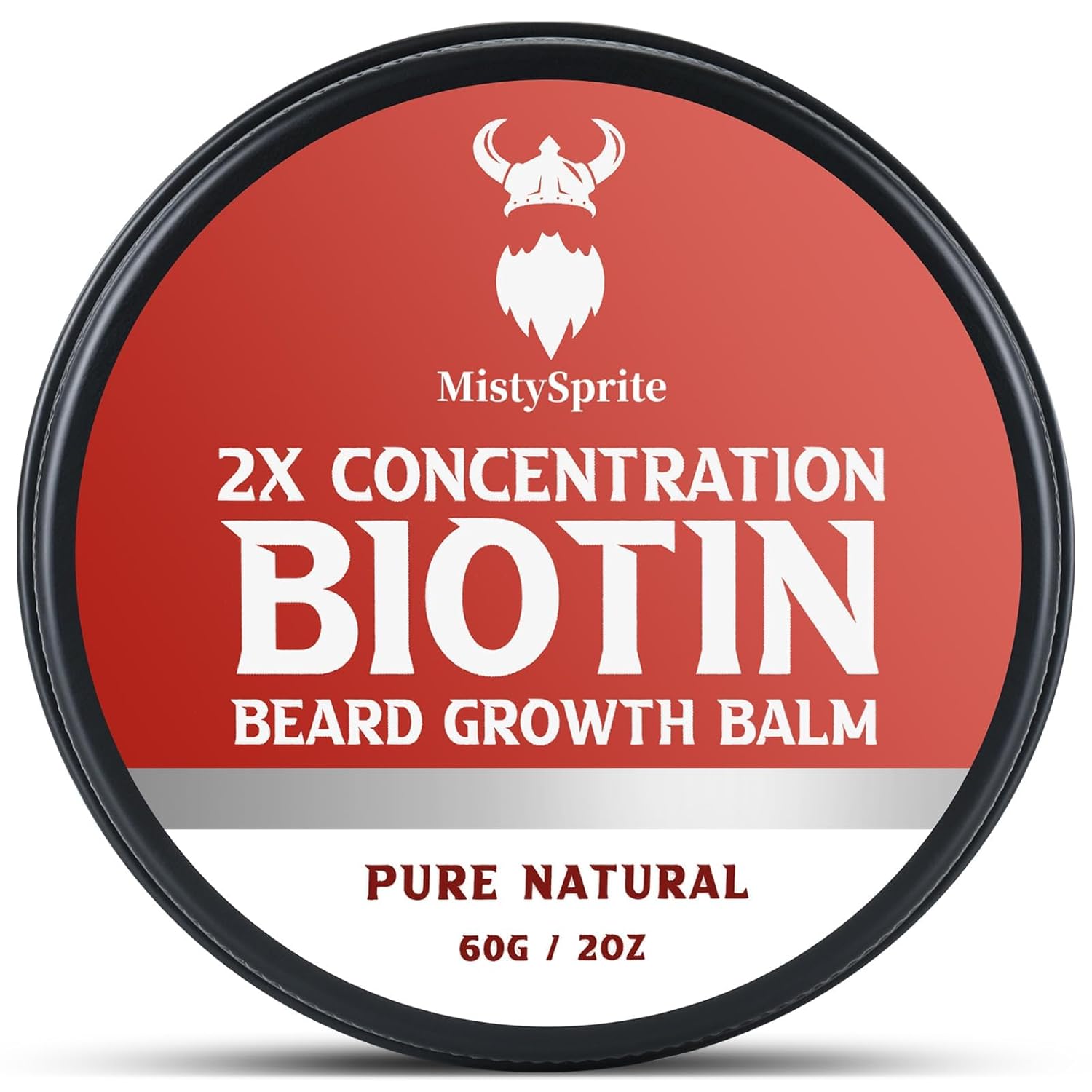

For the modern American man, a beard is more than just facial hair—it’s a statement. Whether you’re cultivating a rugged, full lumberjack look or maintaining sharp, executive stubble, the journey to a great beard requires knowledge, consistency, and the right tools. From selecting the best beard trimmer to understanding why beard oil is non-negotiable, this guide covers everything you need to know to achieve your best beard yet.
Achieving beard greatness isn’t just about what you put on your face. It’s about building a routine that respects both your hair and the skin beneath it. Let’s dive into the ultimate roadmap for beard mastery in 2026.
Why Your Beard Deserves a Routine
Many men make the mistake of thinking that a beard is a “set it and forget it” accessory. In reality, facial hair requires a disciplined regimen. Without proper care, beards can become dry, wiry, itchy, and unkempt.
The skin beneath your beard—the “canvas”—is just as important as the hair itself. If the skin is dry or flaky, the hair won’t look healthy. This is where a solid routine of washing, conditioning, and styling comes into play. A consistent routine not only makes you look better but also feels better, eliminating the dreaded “beard itch” that causes so many men to abandon their growth goals early on.
The Foundation: Finding the Best Beard Trimmer
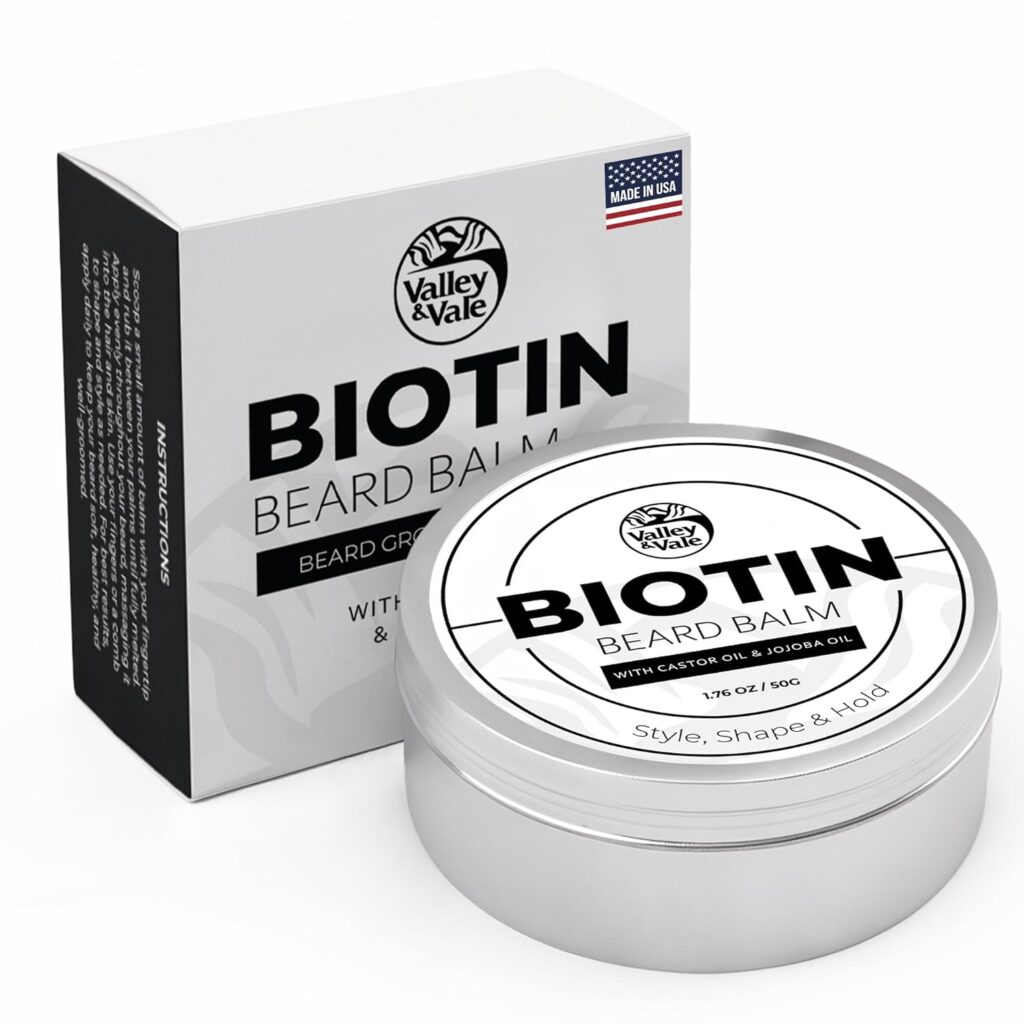
Before you can style, you need the right hardware. If you’re serious about your facial hair, investing in the best beard trimmer is the most important decision you’ll make. A high-quality trimmer is the difference between a crisp, professional look and a ragged, uneven mess.
What to Look for in 2026
The grooming tech market has exploded in recent years, and 2026 models are more advanced than ever. When shopping for a trimmer, you should prioritize the following features:
- Powerful Motor: A strong motor cuts through hair cleanly in a single pass. More passes lead to skin irritation. Look for trimmers boasting at least 6,000 RPM or 10,000 cuts per minute.
- Blade Quality: Stainless steel or titanium blades stay sharper longer. Self-sharpening blades are a premium feature that extends the life of your device.
- Battery Life: Cordless freedom is essential, but you don’t want your trimmer dying mid-stroke. Look for models with at least 90 minutes of runtime, and pay attention to quick-charge features for those morning emergencies.
- Adjustable Length Settings: The best trimmers offer a wide range of length options without requiring you to swap out plastic guards constantly. Dial-adjust systems are the gold standard.
- Manoeuvrability and Grip: A trimmer that feels good in your hand allows for better control, especially when edging around your lips and jawline.
The Top Contenders
After extensive testing, grooming experts consistently rank the Braun Series 9 as the best all-around trimmer for most men. Its built-in length dial allows you to adjust between 40 different settings effortlessly, eliminating the need to fumble with multiple plastic guards.
For those seeking simplicity, the Manscaped Beard Hedger offers a no-fuss design with a built-in adjuster and convenient USB-C charging. And if you prefer a very close, stubbled look, the Philips Norelco OneBlade remains a favorite for its ability to trim and shave simultaneously.
👉 Shop the Best Beard Trimmers on Amazon
The Best Beard Cutting Machine for Precision
While a standard trimmer handles the bulk of the work, a dedicated best beard cutting machine (often referred to as a precision trimmer or detailer) is essential for the fine details. These smaller devices are perfect for defining your neckline, carving out your cheek lines, and shaping your mustache without nicking your skin.
Look for a detailer with a narrow blade (around 20mm) and a powerful but quiet motor. This tool is what separates a “good” beard from a “great” beard. It allows you to etch sharp lines that frame your face and give your beard a purposeful, barber-finished look.
👉 Find Precision Beard Trimmers on Amazon
The Secret Sauce: Beard Oil and Beard Growth Oil
Once the trimming is done, the real care begins. If you only buy one grooming product besides your trimmer, it should be beard oil. But with so many options—including specialized beard growth oil—it’s easy to get confused.
What is Beard Oil?
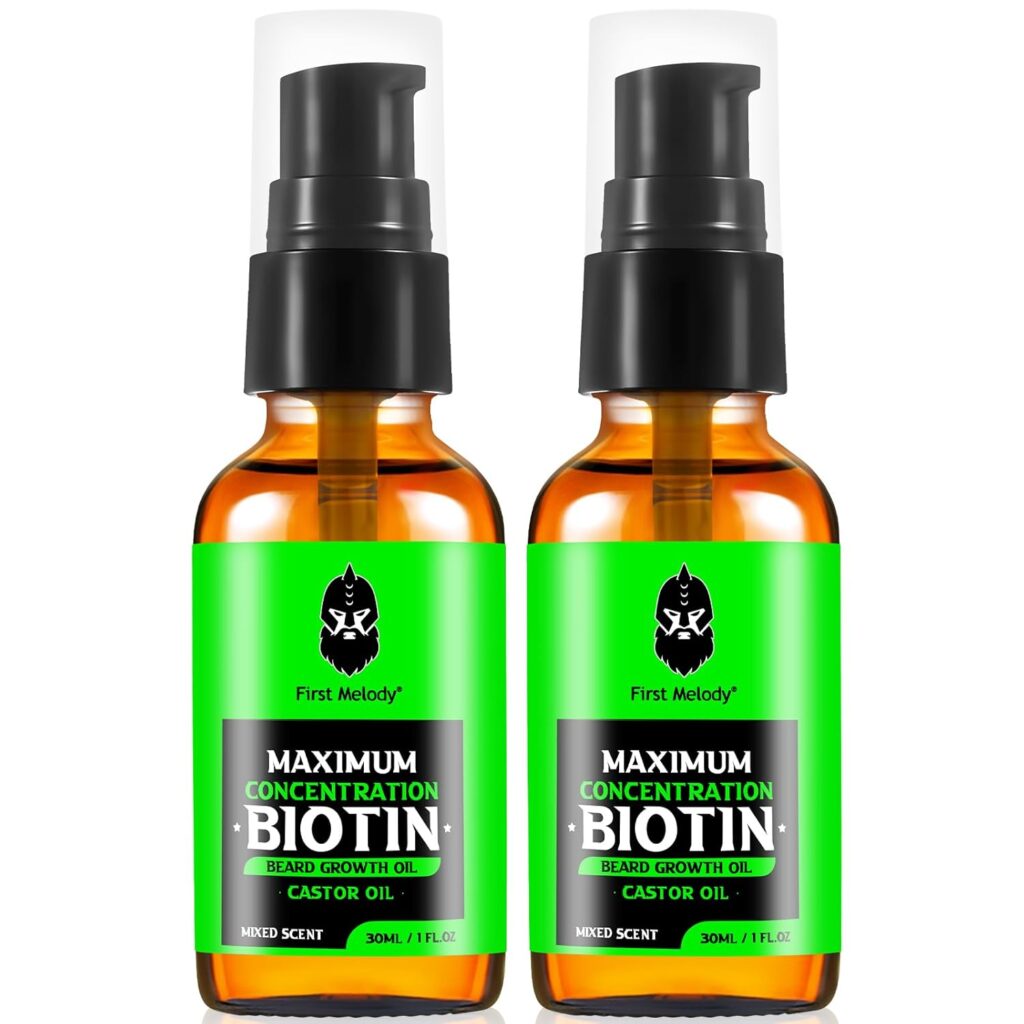
Beard oil is a conditioning product designed to mimic the natural oils (sebum) produced by your skin. As we age, or due to harsh cleansers and environmental factors, our skin stops producing enough of these natural oils. This leads to the dry, itchy feeling many men experience.
A quality beard oil typically consists of two components:
- Carrier Oils: These are the base (like Jojoba, Argan, or Almond oil) that moisturize the skin and coat the hair shaft.
- Essential Oils: These provide the scent and offer additional therapeutic benefits, such as anti-inflammatory or antiseptic properties.
The Benefits of Regular Use
Applying beard oil 3-4 times a week can transform your facial hair. Here’s what it actually does:
- Hydrates Skin: It stops “beardruff” (beard dandruff) in its tracks.
- Softens Hair: It transforms wiry, rough hairs into soft, touchable strands.
- Tames Flyaways: It adds a light hold and healthy shine, making your beard look intentional.
- Acts as a Natural Cologne: The essential oils keep you smelling fresh throughout the day.
Does Beard Growth Oil Work?
This is the million-dollar question. The market is flooded with products claiming to be the ultimate beard growth oil that will fill in your patchy cheeks overnight. The honest answer is nuanced.
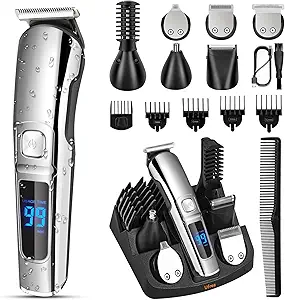
The active ingredients in many growth oils, such as biotin, are essential for healthy hair. However, science tells us that genetics and hormones (DHT) are the primary drivers of where hair grows. While beard growth oil cannot create new follicles where none exist, it can create the optimal environment for your existing hair to thrive. By keeping the follicles unclogged and the skin healthy, you ensure that every hair you do have grows in stronger, faster, and less prone to breakage.
If you have patchy areas, using a growth oil consistently can help the vellus hairs (peach fuzz) in those areas become more pronounced and healthy, potentially improving the overall density of your beard over time.
👉 Shop Beard Oil & Growth Oils on Amazon
The Finishing Touch: The Beard Brush and Styling
After applying oil, the next step is distribution and styling. A high-quality beard brush is non-negotiable for anyone with more than a week’s worth of stubble.
Boar Bristle vs. Synthetic
The gold standard in beard brushing is boar bristle. A brush made from natural boar bristle offers benefits that plastic simply cannot match.
When you brush with boar bristles, you are doing several things at once:
- Distributing Oils: The bristles help pull the natural oils (sebum) from your skin and the beard oil you just applied from the root to the tip of every hair, ensuring complete conditioning.
- Exfoliating Skin: The bristles gently lift away dead skin cells, dirt, and dust, preventing clogged pores and ingrown hairs.
- Training the Hair: Regular brushing trains your beard hair to grow in the desired direction, helping to cover patchy spots and creating a neater overall shape.
Look for a brush with a comfortable handle (olive wood is a durable and attractive option) and a rubber cushion that allows the bristles to flex as you brush.
When to Use a Comb
While a brush is for overall conditioning and training, a wide-toothed comb is best for detangling longer beards. Always comb your beard gently, starting from the ends and working your way up to the roots to avoid snagging and pulling hairs out.
👉 Shop Beard Brushes & Combs on Amazon
Changing Your Look: A Guide to Beard Dye
As we age, or simply for a style change, many men turn to beard dye. Whether you want to cover up grays or darken a lighter beard to match your hair color, dye can be a game-changer.
Safety First
Before you dive in, it’s crucial to understand the risks. Products like Just For Men Mustache & Beard are popular and effective, but they require a patch test. Hair colorants can cause severe allergic reactions. You must perform a skin allergy test 48 hours before each use, even if you have used the product before.
Never use hair dye meant for your head on your beard, and absolutely never use it on your eyebrows or eyelashes, as this can cause blindness.
Application Tips
When using beard dye, follow these steps for a natural look:
- Start Clean: Wash your beard with a gentle cleanser to remove oils and product buildup. This allows the dye to penetrate evenly.
- Don’t Go Too Dark: Choose a shade that matches your natural color or is one shade lighter. Going too dark can look harsh and artificial, especially against your skin tone.
- Time Carefully: Follow the instructions precisely. Leaving the dye on for too long will result in an unnatural, solid color. You want a natural gradient where the color varies slightly, just like real hair.
- Maintain It: Dyed beards require maintenance. As your hair grows, you’ll need to touch up the roots every 2-3 weeks to keep the color consistent.
Building Your Complete Beard Care Kit
To bring everything together, here is a checklist for the ultimate beard care kit. Whether you’re a beginner or a seasoned veteran, having these items on hand will ensure your beard always looks its best.
- The Workhorse: A high-quality main trimmer (like the Braun Series 9) for bulk length removal.
- The Detailer: A precision trimmer for edging necklines and cheek lines.
- The Cleanser: A gentle beard wash or sulfate-free shampoo to use 2-3 times a week. Washing daily strips natural oils.
- The Conditioner: Beard oil (or beard growth oil if targeting patchiness) applied daily after showering while the pores are open.
- The Styler: A boar bristle beard brush for distributing oils and training the hair.
- The Tool: A sturdy comb for detangling longer beards.
- The Option: Beard dye for covering grays or enhancing color.
- The Finisher: A beard balm or wax for extra hold on stubborn hairs or for special occasions.
👉 Shop Complete Beard Care Kits on Amazon
Common Beard Myths Debunked
As you embark on your beard journey, you’ll encounter plenty of bad advice. Let’s clear up a few common misconceptions:
- Myth: Shaving makes your beard grow back thicker. False. Shaving cuts the hair at a blunt angle, which can make it feel coarser as it grows out, but it does not change the number of follicles or the thickness of the hair shaft. That’s determined by genetics.
- Myth: Beard oil is only for long beards. False. Beard oil is for the skin. Even if you have stubble, the skin underneath needs moisture to prevent itch and flakiness. Start using oil the day you stop shaving.
- Myth: All trimmers are the same. False. The difference in motor power, blade sharpness, and battery longevity between a $30 trimmer and a $100+ trimmer is massive. Your trimmer is an investment in your daily appearance.
- Myth: You should wash your beard every day. False. Over-washing strips the natural oils that keep your beard healthy. Aim for 2-3 times a week with a dedicated beard wash, and simply rinse with water on other days.
- Myth: Trimming makes it grow faster. False. Trimming removes split ends and prevents breakage, which helps your beard look fuller and healthier, but it doesn’t affect the speed of growth from the follicle.
The Role of Diet and Lifestyle
While topical products are crucial, true beard health starts from within. What you eat and how you live directly impacts the quality of your facial hair.
Nutrients for Beard Growth
Hair is primarily made of a protein called keratin. To support strong, healthy growth, ensure your diet includes:
- Protein: Lean meats, eggs, fish, and legumes provide the building blocks for hair.
- Biotin (Vitamin B7): Found in eggs, nuts, and sweet potatoes, biotin is essential for keratin production.
- Vitamin D: Often called the “sunshine vitamin,” it may help reactivate dormant follicles. Get it from fatty fish, fortified foods, or sensible sun exposure.
- Omega-3 Fatty Acids: Found in fish, flaxseeds, and walnuts, these keep the skin on your face supple and hydrated.
- Zinc: This mineral supports hair tissue growth and repair. It’s abundant in oysters, beef, and pumpkin seeds.
Hydration and Sleep
- Water: Drinking enough water (at least 8 cups a day) keeps your skin cells plump and hydrated, providing a better foundation for hair growth.
- Sleep: During deep sleep, your body repairs tissues and regulates hormones, including testosterone. Skimping on sleep can disrupt the hormonal balance needed for optimal beard health.
Exercise and Stress
As discussed in previous guides, regular exercise boosts circulation, delivering oxygen and nutrients to hair follicles. It also helps manage stress. High stress levels increase cortisol, a hormone that can inhibit hair growth and even lead to hair loss. Find an activity you enjoy—whether lifting weights, running, or yoga—and make it a regular part of your routine.
Troubleshooting Common Beard Problems
Even with the best routine, issues can arise. Here’s how to handle them:
Patchiness
- Solution: Patience is key. Many men don’t reach full beard density until their 30s. In the meantime, keep your beard at a shorter, uniform length (stubble) to minimize the appearance of patches. Use a beard brush to train longer hairs to cover thinner areas.
Itchiness (The “Beard Itch”)
- Solution: This is almost always a sign of dry skin. Wash less frequently, and apply beard oil daily. Ensure you’re massaging it down to the skin, not just onto the hair.
Beardruff (Dandruff)
- Solution: Exfoliate gently with a beard brush to remove dead skin cells. Use a specialized beard wash containing ingredients like tea tree oil or pyrithione zinc. Follow up with beard oil to lock in moisture.
Ingrown Hairs
- Solution: Avoid cutting hair too short. Exfoliate regularly with your brush. If you get an ingrown, do not pick at it. Apply a warm compress and gently tease the hair out with sterile tweezers once the tip is visible.
Split Ends
- Solution: The only cure for split ends is trimming them. Regular trims (every 6-8 weeks) prevent split ends from traveling up the hair shaft and causing breakage. Using beard oil keeps hair flexible and less prone to splitting.
Conclusion: The Journey is the Reward
Growing and maintaining a great beard is a marathon, not a sprint. It requires patience, especially in the early “awkward” stages. By investing in the best beard trimmer, committing to a routine with quality beard oil, and using the right tools like a beard brush and possibly beard dye, you can achieve a look that suits your style and personality.
Remember that your beard is as unique as you are. Embrace its quirks, work with its natural patterns, and take pride in the daily ritual of caring for it. Whether you’re rocking a full Viking beard or a sleek five-o’clock shadow, the time and effort you invest will reflect in your confidence and appearance.
Here’s to looking sharp in 2026!
👉 Shop All Beard Care Essentials on Amazon
Disclaimer: This article is for informational purposes only and does not constitute medical advice. Always consult with a dermatologist for persistent skin or hair concerns.