
Walk into any grooming aisle or scroll through men’s forums, and you’ll see the same claim repeated: castor oil is the secret to a thicker, fuller beard. Social media is flooded with testimonials of men swearing by their nightly castor oil rituals, crediting the thick, amber liquid for transforming their patchy facial hair into a lush mane.
But is this a genuine grooming breakthrough, or is it just another case of clever marketing and wishful thinking? If you’ve been thinking about adding castor oil to your beard care routine, here’s what you need to know about the science, the benefits, and the realistic results you can expect.
What Is Castor Oil?
Castor oil is a thick vegetable oil extracted from the seeds of the Ricinus communis plant, which is native to India . It has been used for centuries in traditional medicine and beauty routines, prized for its moisturizing and therapeutic properties.
The key component that makes castor oil unique is ricinoleic acid, an omega-9 unsaturated fatty acid that makes up nearly 90% of the oil’s composition . This compound is known for its potent anti-inflammatory, antimicrobial, and moisturizing effects . These properties are the foundation for most of the oil’s alleged benefits, from soothing skin rashes to potentially influencing hair follicles.
The Science: What Does Research Actually Say?
Here is the honest answer that most social media posts won’t tell you: There is no direct scientific evidence that castor oil can grow new beard hair. No peer-reviewed clinical studies have conclusively proven that applying castor oil to your face will activate dormant follicles or create hair where none existed before .
Beard growth is primarily determined by two factors you cannot change:
- Genetics: Your DNA dictates the density and pattern of your facial hair .
- Hormones: Androgens like testosterone and dihydrotestosterone (DHT) signal follicles to produce terminal hair .
Dr. Ekansh Shekhar, a dermatologist, confirms that “scientific evidence does not support the use” of castor oil for rapid beard growth . A physician from JustAnswer similarly noted, “There’s no evidence that it helps in hair growth,” though it “can be used to provide nourishment” .
So, if the science doesn’t support the “growth” claim, why do so many men swear by it?
The Indirect Benefits: What Castor Oil Can Do for Your Beard
While castor oil may not create new follicles, it can significantly improve the health and appearance of the hair you already have. Think of it as a conditioning treatment rather than a growth serum .
1. Deep Moisturization
Castor oil is an exceptional emollient. It forms a protective barrier on the skin, preventing moisture loss and keeping the skin underneath your beard hydrated . This directly combats “beardruff” (beard dandruff) and the dreaded itchy, flaky skin that often accompanies a new beard.
2. Antimicrobial Protection
The ricinoleic acid in castor oil has antimicrobial properties that can help combat bacteria and fungi on the skin . This is crucial because conditions like folliculitis (infected hair follicles) can damage follicles and hinder healthy hair growth. By keeping your skin clean and clear, castor oil helps maintain a healthy environment for your beard to thrive .
3. Strengthening Hair Shafts
Regular application of castor oil can coat the hair shaft, reducing breakage and split ends . This makes your beard appear thicker, fuller, and healthier simply because the hairs are stronger and less likely to snap off. A 2015 study emphasized that while topical oils don’t increase follicle count, they significantly improve hair tensile strength .
4. Improved Circulation
Massaging any oil into your skin stimulates blood flow. When you massage castor oil into your beard area, you increase circulation to the hair follicles, delivering more oxygen and nutrients that support healthy hair function .
How to Use Castor Oil for Maximum Beard Health
If you want to incorporate castor oil into your routine for its proven conditioning benefits, here is a step-by-step guide to doing it right .
Step 1: Choose the Right Oil
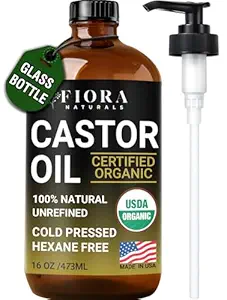
Quality matters. Look for 100% pure, cold-pressed, hexane-free castor oil. You have two main options:
- Jamaican Black Castor Oil: The beans are roasted, giving the oil a dark color and thicker consistency. Some prefer it for targeting thickness .
- Pale/Regular Castor Oil: Cold-pressed from unroasted beans, it is slightly less viscous and gentler for sensitive skin .
Always choose pure, cold-pressed castor oil for the best results.
👉 Shop 100% Pure Castor Oil on Amazon
Step 2: Dilute It (Optional but Recommended)
Pure castor oil is incredibly thick and sticky. Many men prefer to mix it with a lighter carrier oil to improve spreadability and add complementary benefits . Popular blends include:
- Castor + Jojoba Oil (1:1): Jojoba mimics the skin’s natural sebum.
- Castor + Argan Oil: Adds extra shine and softness.
- Castor + Coconut Oil: Boosts antimicrobial benefits .
Mix castor oil with lighter oils for easier application.
👉 Browse Carrier Oils on Amazon
Step 3: Apply Properly
- Cleanse: Start with a clean face. Wash with a gentle beard shampoo to remove dirt and debris .
- Warm the Oil: Place a few drops in your palms and rub them together to warm the oil. This aids absorption.
- Massage: Using your fingertips, massage the oil into the skin beneath your beard using circular motions for 2-3 minutes. Focus on any thin or patchy areas .
- Leave It On: For deep conditioning, leave it on overnight or for at least 30 minutes before rinsing .
Frequency: Apply 3-4 times per week. Daily use can lead to buildup or clogged pores, especially if you have oily or acne-prone skin .
Potential Side Effects and Precautions
Castor oil is generally safe for topical use, but it is not without risks. Be aware of the following :
- Skin Irritation: If you have sensitive skin, dermatitis, or any open cuts, castor oil may cause irritation. Always perform a patch test on a small area of skin before applying it to your entire face .
- Clogged Pores: Because it is heavy and occlusive, castor oil can clog pores for some people, leading to breakouts or “beard acne” .
- Eye Irritation: Be extremely careful when applying near your eyes, as the oil can cause significant irritation if it gets in them .
Realistic Expectations: What You Will Actually Achieve
It’s time to set the record straight. If you use castor oil hoping to grow a beard where you are genetically smooth-shaven, you will likely be disappointed.
However, if you use it to improve the quality of your existing beard, you can expect to see :
- Reduced itch and flakiness within a few weeks.
- Softer, more manageable facial hair.
- Less breakage, making your beard appear thicker and fuller.
- Healthier skin underneath the beard.
As one skincare specialist put it, “Castor oil isn’t a miracle cure for bald spots, but it’s an excellent emollient that strengthens hair shafts and creates a healthier environment for growth” .
The Bottom Line
Castor oil does not “grow” beard hair in the sense of creating new follicles. That ability is locked in your genes. However, it is a powerful tool for optimizing the health of your beard and the skin beneath it. By moisturizing, protecting against microbes, and strengthening existing hairs, castor oil can help you achieve the fullest, healthiest version of the beard you were born with.
Think of it as fertilizer for your garden: it won’t change the types of plants you have, but it will make them grow stronger and look better. So, go ahead and give it a try—just keep your expectations grounded in reality.
Ready to Give Your Beard Some TLC?
Invest in a high-quality castor oil and the right tools to incorporate it into your grooming routine.
Pair your castor oil with a good beard brush for maximum effect.
👉 Shop Complete Beard Care Kits on Amazon