
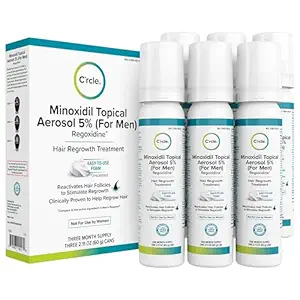

Thinking of using minoxidil for a thicker beard? Discover how it works, the right strength for you, gender-specific side effects, and expert tips for natural-looking results in 2026.
The quest for a fuller, thicker beard has led many down the path of oils, balms, and supplements. But one name consistently rises above the rest in online forums and before-and-after photos:
Minoxidil: Originally developed as a blood pressure medication and later approved for scalp hair loss, minoxidil has become the go-to “off-label” solution for men desperate to fill patchy cheeks. But what about women? With viral TikTok videos showing unexpected facial hair growth as a side effect, many are asking: Is minoxidil safe for everyone? And does it really work for beards?
In this comprehensive guide, we cut through the hype and examine the clinical evidence, the correct strengths for different goals, and what both men and women need to know before starting treatment in 2026.
What Is Minoxidil and How Does It Work?
Minoxidil is a vasodilator—it works by widening blood vessels and improving blood flow to hair follicles . This increased circulation delivers more oxygen and nutrients to the follicles, potentially “waking up” dormant hairs and pushing them into the active growth phase (called the anagen phase) .
While the exact mechanism isn’t fully understood, animal studies suggest that minoxidil shortens the resting phase (telogen) of hair follicles and triggers a rapid shift to the growing phase . This is why users often notice an initial “shed” in the first few weeks—old hairs are making way for new, healthier growth .
For beard growth specifically, minoxidil is used off-label, meaning it hasn’t been FDA-approved for this purpose, but it is a recognized and widely practiced use .
Does Minoxidil Really Work for Beard Growth? The Evidence
Yes—clinical evidence supports that minoxidil can significantly enhance beard growth.
A landmark 2016 randomized, double-blind, placebo-controlled study published in The Journal of Dermatology found that men using a 3% minoxidil lotion twice daily for 16 weeks showed significant improvements in beard growth compared to placebo. Participants had increased facial hair count and higher self-assessment scores .
More recent research has extended these findings. A 2024 study on transgender men (assigned female at birth) on hormone therapy found that topical minoxidil significantly enhanced beard growth after just 3 months, with continued improvement at 6 months . Notably, 73% of participants maintained their results 6 months after stopping treatment, suggesting that for some users, the gains may be partially sustained .
While more research is needed specifically for facial hair, the existing evidence is promising. Most users can expect to see soft “baby hairs” within 2-4 months, with thicker, fuller growth noticeable by month 6 .
Minoxidil Strengths: What’s Available and What’s Right for You?
In the United States, only two strengths of topical minoxidil are available over the counter: 2% and 5% . Here’s how they compare:
For Men: Which Strength Should You Choose?
For beard enhancement, most dermatologists recommend starting with 5% minoxidil. Studies show that 5% is significantly superior to 2% for hair regrowth, although it comes with a slightly higher risk of itching and local irritation .
The choice between foam and solution is personal:
- Foam dries quickly, doesn’t drip, and is less likely to run onto unwanted areas
- Solution is applied with a dropper and may spread more easily, but some formulations contain propylene glycol which can be irritating
For Women: Special Considerations
Women considering minoxidil for scalp hair loss should be aware of a common side effect: unwanted facial hair growth.
As highlighted in a viral TikTok video with over 8 million views, a woman using minoxidil on her scalp noticed significant hair growth on her face—despite never applying it there . Trichologist Natalia Souza explains that this occurs because minoxidil can be absorbed through the skin and affect nearby follicles, particularly on the cheeks and upper lip .
This side effect is generally reversible upon discontinuing treatment or reducing the dosage, but it can be a cosmetic concern .
For women specifically:
- The FDA-approved options are 2% solution (twice daily) or 5% foam (once daily)
- The 5% foam is often recommended for women because it’s less likely to drip and cause unwanted facial hair
- If you have PCOS and already struggle with facial hair, consult your doctor before starting—minoxidil may exacerbate hirsutism
How to Use Minoxidil for Beard Growth
If you’re using minoxidil specifically for beard enhancement, follow this step-by-step protocol:
- Start with a clean, dry face. Wash your face with a gentle cleanser and pat dry.
- Apply the recommended dose. For solutions, use 1 mL twice daily. For foam, use half a capful twice daily .
- Massage gently. Work the product into the areas where you want more growth—cheeks, chin, mustache, and neck.
- Wash your hands thoroughly after each application.
- Allow to dry completely before touching your face or going to bed (about 4 hours for solution, less for foam) .
- Be consistent. Missing doses can slow or reverse your progress .
- Wait 6-12 months before evaluating full results .
What to Expect in the First Months
- Weeks 1-3: You may notice increased shedding of existing hairs. This is normal and temporary—old hairs are making way for new growth .
- Months 2-4: Soft, vellus “baby hairs” will begin to appear in thin areas .
- Months 4-6: These hairs will darken, thicken, and become more like terminal beard hair .
- Month 6 and beyond: Continued use maintains and potentially improves results.
Side Effects and Safety Concerns
While minoxidil is generally safe, it’s not without risks.
Common Side Effects
- Skin irritation, itching, or dryness at the application site
- Temporary initial shedding (a sign the medication is working)
- Unwanted hair growth on adjacent areas (cheeks, forehead, upper lip)
Rare but Serious Side Effects
Stop use and seek medical attention immediately if you experience:
- Chest pain or rapid heartbeat
- Swelling of the face, lips, or tongue
- Difficulty breathing
- Fainting or severe dizziness
- Unexplained weight gain or swollen hands/feet
Who Should NOT Use Minoxidil
- Pregnant or breastfeeding women
- People with uncontrolled hypertension or certain heart conditions
- Those with active scalp/skin infections or broken skin in the application area
- Anyone with a known allergy to minoxidil or its ingredients
Important Safety Warning: Child-Resistant Packaging
In 2025-2026, the U.S. Consumer Product Safety Commission issued two separate recalls of minoxidil products sold on Amazon due to violations of child-resistant packaging requirements .
Minoxidil is toxic to children. If swallowed, it can cause serious injury or death. When purchasing minoxidil:
- Always buy from reputable brands (name brands like Rogaine or established pharmacy lines)
- Check that the packaging is child-resistant (requires squeezing or pressing while turning)
- Store the product safely out of reach of children and pets
- Dispose of unused product properly
What Happens When You Stop Using Minoxidil?
This is perhaps the most important question for anyone considering minoxidil.
For scalp hair loss, stopping minoxidil typically leads to a return of hair loss within 12 to 24 weeks . The new hairs that grew during treatment will shed, and your hair will revert to its previous state.
For beard growth, the evidence is slightly more encouraging. A 2024 study found that among transgender men who stopped minoxidil at 6 months, 73% maintained their results at 12 months, although some reported slower growth . However, this study was small, and results may vary.
The general rule: minoxidil is a lifelong commitment for most users. If you stop, you risk losing the gains you’ve made .
Combining Minoxidil with Other Treatments
For maximum results, many users combine minoxidil with complementary approaches:
Search for Derma Rollers for Beard on Amazon
Search for Biotin Supplements on Amazon
The Bottom Line: Is Minoxidil Worth It?
For men with patchy beards who are willing to commit to a daily routine for at least 6-12 months, minoxidil is currently the most effective over-the-counter option available. Clinical studies and countless user anecdotes confirm that it can transform sparse facial hair into a fuller, thicker beard.
For women, the decision is more nuanced. If you’re using minoxidil for scalp hair loss, be prepared for the possibility of increased facial hair—and discuss this with your doctor beforehand.
Regardless of gender, remember:
- Consistency is key. Missing doses will slow your progress.
- Patience is required. Results take months, not weeks.
- Safety first. Buy from reputable sources and store products safely.
- Consult a professional. Talk to a doctor or dermatologist before starting, especially if you have underlying health conditions.
Minoxidil isn’t magic, and it doesn’t work for everyone. But for those who stick with it, the results can be truly life-changing.