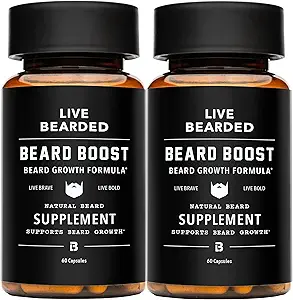

For countless men, the dream of a thick, full beard is often met with the frustrating reality of patchy cheeks, a weak mustache, or painfully slow growth. While genetics play the leading role in this drama, the search for a solution has led many to the world of supplements. Walk into any drugstore or scroll through social media, and you’ll be bombarded with bottles promising to transform your face fuzz into a lumberjack-level mane.
But what is the real story behind beard vitamins for growth? Can a pill really fill in those gaps, or is it all just clever marketing?
The short answer is nuanced. While no vitamin can rewrite your genetic code, a deficiency in certain key nutrients can certainly hinder your beard from reaching its full potential. In this guide, we’ll separate fact from fiction, explore the vitamins that genuinely support healthy hair follicles, and help you decide if supplementation is the right path for your grooming goals.
The Science of Beard Growth: Genetics vs. Nutrition
Before you empty your wallet on supplements, it’s crucial to understand what controls facial hair growth. The primary factors are:
- Genetics: Your DNA determines the density, thickness, and pattern of your beard. If your father and grandfather had patchy beards, you might have inherited those same hair follicles .
- Hormones: Androgens like testosterone and its more potent form, dihydrotestosterone (DHT), are the chemical messengers that signal facial hair follicles to grow. You can have high testosterone, but if your follicles aren’t sensitive to it, a beard won’t flourish .
- Nutrition: This is where you have some control. Hair is non-essential tissue, meaning if your body is low on nutrients, it will divert them to vital organs first, and your hair (including your beard) will suffer. This is where the right vitamins come into play .
So, can supplements help? If you have a nutrient deficiency that is weakening your hair or slowing growth, correcting it can help your beard grow to its full genetic potential. However, they won’t create hair where follicles don’t exist .
Key Vitamins and Nutrients for a Healthier Beard
If you’re considering beard vitamins for growth, look for formulas that include these evidence-backed ingredients.
1. Biotin (Vitamin B7)
Biotin is the superstar of the hair growth world, and for good reason. It is crucial for producing keratin, the protein that makes up your hair, skin, and nails .
- Does it work? Research shows that biotin is essential for healthy hair. However, it will likely only improve growth if you are actually deficient in biotin, which is rare for those with a balanced diet .
- Sources: Eggs, nuts, sweet potatoes, and salmon .
2. Vitamin D
Often called the “sunshine vitamin,” Vitamin D is vital for many bodily functions, including activating dormant hair follicles .
- Does it work? Low Vitamin D levels have been linked to several types of hair loss . Ensuring you have adequate levels can help keep your follicles active and healthy.
- Sources: Sunlight, fatty fish, fortified dairy products, and supplements.
3. The B-Complex Family (B3, B6, B9, B12)
The B vitamins work as a team to support overall health, which directly impacts your beard.
- Niacin (B3): Helps improve blood circulation to the scalp and face, ensuring nutrients reach the hair follicles .
- Folic Acid (B9) and B12: Crucial for cell growth and division and for maintaining healthy red blood cells that carry oxygen to tissues, including hair follicles .
4. Vitamin A
This vitamin is essential for cell growth and helps hair follicles produce sebum, the body’s natural oil that moisturizes the scalp and skin, preventing beard itch and brittleness .
- A Word of Caution: Because Vitamin A is fat-soluble, it’s possible to get too much, which can actually lead to hair loss. Balance is key .
5. Vitamin C
This powerful antioxidant doesn’t just fight colds; it fights free radicals that can damage hair follicles and cause aging. It is also vital for the production of collagen, a structural protein that strengthens hair .
- Sources: Citrus fruits, bell peppers, and strawberries.
6. Zinc
Zinc is a mineral powerhouse for men. It plays a direct role in testosterone production and hormone regulation, making it critical for masculine hair growth . It also helps with tissue repair and keeps the oil glands around the follicles working properly .
- Sources: Oysters, beef, and pumpkin seeds.
7. Omega-3 Fatty Acids
These healthy fats nourish the hair follicles and reduce inflammation, which can create a healthier environment for growth. They also add shine and strength to the hair shaft itself .
- Sources: Fish oil, flaxseeds, and walnuts.
8. Specialized Ingredients: MSM, PABA, and Horsetail
Some advanced beard supplements include these lesser-known compounds.
- MSM (Methyl Sulfonyl Methane): A source of sulfur, which is a key component of keratin and collagen. It may aid in cell division and tissue repair .
- PABA (Para-Aminobenzoic Acid): Often included for its potential to help with hair color and overall hair health, with some anecdotal reports of it helping return grey hair to its natural color .
- Horsetail Extract: A plant rich in silica, which can help strengthen and thicken hair strands .
Popular Beard Supplements on the Market
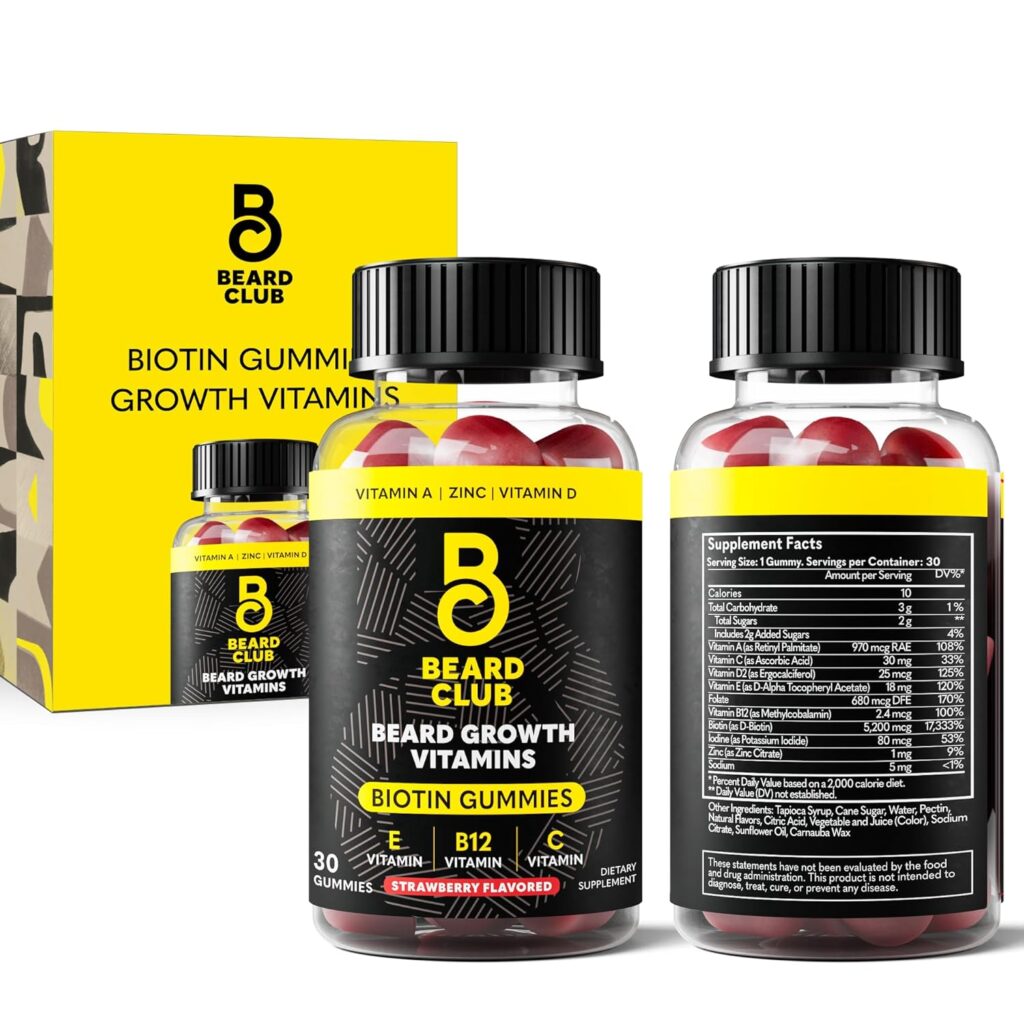
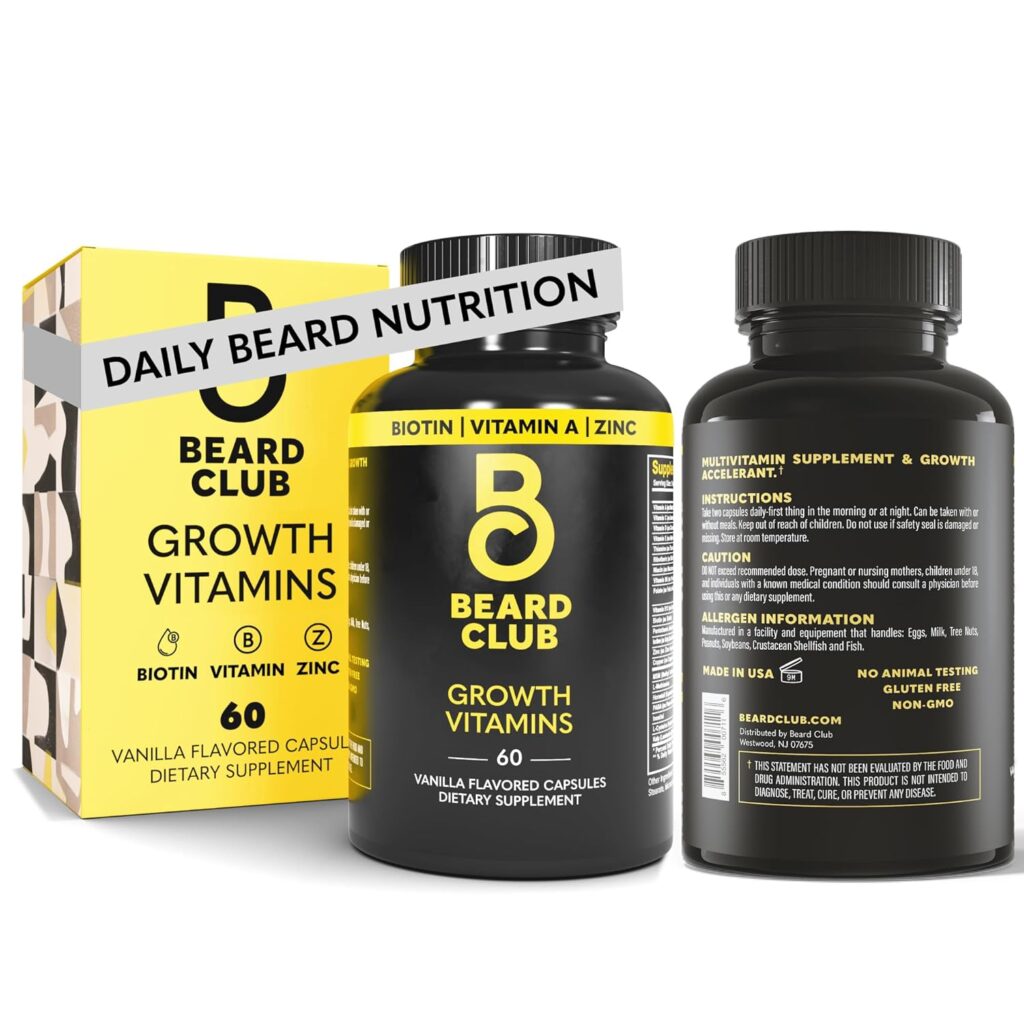
If you’re ready to give your beard a nutritional boost, here are some top-rated supplements to consider. For your convenience, you can find these options through our affiliate store.
Shop the full selection of beard growth supplements on Amazon USA:
[Discover the Best Beard Vitamins for Growth at Cosmo-Care]
(Search Link: https://www.amazon.com/s?k=beard+vitamins&tag=cosmocare-20)
1. VitaBeard – The Original Beard Supplement
VitaBeard is often credited as the first supplement formulated specifically for facial hair. It goes beyond a standard multivitamin by including targeted ingredients in bioavailable forms.
- Key Ingredients: A potent blend includes Biotin, Vitamin D, Zinc, and a proprietary blend of MSM, PABA, and Horsetail Extract to support cellular regeneration and hair health .
- Why it stands out: It is third-party tested for purity and certified vegan. It also aims to minimize beard itch by regulating oil production in the skin beneath the beard .
- Best For: Men looking for a comprehensive, all-in-one formula specifically branded for beard growth.
2. Alpha Hair & Beard by NSN Naturalsmart Nutrition
This supplement is designed for men who want to support both their scalp hair and facial hair simultaneously.
- Key Ingredients: Features a high-potency mix of 350mg of Hydrolyzed Collagen Peptides, 25mg of Hydrolyzed Keratin, 100mg of L-Lysine, and 300mcg of Biotin .
- Why it stands out: The inclusion of both collagen and keratin provides the direct building blocks for hair structure, making it a strong choice for improving hair strength and thickness.
- Best For: Men focused on strengthening existing hair and improving overall hair health.
3. Exceldiet Pharma Opticapil Hair & Beard Formula
This formula takes a slightly different approach by focusing on amino acids, the building blocks of protein.
- Key Ingredients: Enriched with L-Cystine and L-Methionine, two amino acids that act on the hair fiber to promote keratin production .
- Why it stands out: It also contains brewer’s yeast and zinc to help maintain shine and silkiness. It’s designed to work on all hair types and comes in vegetarian-friendly HPMC capsules .
- Best For: Men who believe their diet may be lacking in specific hair-building amino acids.
Important Considerations Before You Buy
Before you add a new supplement to your routine, keep these critical points in mind.
The FDA and Regulation
In the United States, the Food and Drug Administration (FDA) does not regulate dietary supplements in the same way it regulates prescription drugs. This means the quality and ingredients can vary significantly between brands. It’s vital to choose products from reputable companies that undergo third-party testing .
Supplements vs. Medical Treatments
It’s important to set realistic expectations. While vitamins support overall health, they are not a cure for significant hair loss.
- Minoxidil: For men with truly sparse growth, topical Minoxidil (5%) is one of the most researched and effective options for stimulating facial hair growth, though it is often used “off-label” for this purpose . It works by increasing blood flow to follicles.
- Derma Rolling: Using a derma roller in conjunction with Minoxidil can further enhance results by promoting collagen production and absorption .
- Consult a Professional: If you’re concerned about a sudden lack of growth or patchiness, consult a dermatologist to rule out underlying medical conditions .
Lifestyle Factors
Remember, a pill cannot outsmart a poor lifestyle.
- Diet: Focus on whole foods rich in the vitamins listed above .
- Stress: High stress levels increase cortisol, which can negatively impact hair growth .
- Sleep: This is when your body repairs itself, including hair follicles.
The quest for the perfect beard is a journey of patience and care. While beard vitamins for growth aren’t a magic wand that will grant you a beard that defies your genetics, they play a crucial role in supporting the health and strength of the hair you can grow. By ensuring your body has the necessary building blocks—from Biotin and Vitamin D to Zinc and Amino Acids—you give your beard the best possible environment to thrive.
When choosing a supplement, prioritize quality and transparency. Look for products with bioavailable ingredients and positive reviews, and remember that consistency is key. Pair your internal nutrition with a good external skincare routine, manage your stress, and embrace the beard you have while working to make it the best it can be. Ready to nourish your beard from the inside out?
Click here to explore the top-rated Beard Vitamins now available through Cosmo-Care on Amazon USA:
Shop Beard Vitamins on Amazon
Disclaimer: This article contains affiliate links. As an Amazon Associate, we earn from qualifying purchases. This comes at no additional cost to you and helps us continue to provide great content. This information is for educational purposes and is not a substitute for professional medical advice. Always consult with a healthcare provider before starting any new supplement regimen.