

You’ve just stepped out of the bathroom with a fresh, clean shave around the edges and a perfectly shaped beard. You look sharp, feel confident, and then it happens. The itch. That relentless, maddening sensation starts creeping in around your jawline, your neck, and sometimes throughout your entire beard.
If you’ve ever wondered, “Why does my beard itch so badly after I trim?”—you are not alone. This is one of the most common complaints among beardsmen, from beginners with stubble to veterans with years of growth. The good news is that beard itch after trimming is not just normal; it’s manageable. With the right understanding and the proper products, you can eliminate that post-trim irritation and keep your skin comfortable and your beard looking its best.
Part 1: Understanding the Post-Trim Itch
Before you can fix the problem, you need to understand why it happens. That sharp, prickly sensation you feel after trimming isn’t just in your head—it’s a physiological response to what you’ve just done to your hair and skin.
The Science of the Fresh Trim
When you trim your beard, you are cutting each hair shaft at a specific point. For longer beards, this creates a blunt, fresh edge on thousands of individual hairs. These newly cut ends are sharper and more rigid than the naturally tapered ends of un-cut hair.
As your beard grows back over the next few hours and days, these sharp ends press against the skin. For men with coarse or curly hair, these hairs can actually curl back and poke into the skin, causing micro-irritations that trigger the itch response. This is particularly common on the neck, where hair often grows in multiple directions.
Skin Trauma from Trimming
Beyond the hair itself, the act of trimming can traumatize your skin. If you’re using clippers without proper guards, or if you’re pressing too hard, you may be creating microscopic abrasions on the skin’s surface. These tiny wounds trigger inflammation as part of the healing process, and inflammation equals itch.
For men who also shave their neckline and cheek lines with a razor, the situation compounds. Razor burn, ingrown hairs, and the stripping of natural oils all contribute to that uncomfortable, tight, itchy feeling.
Dry Skin: The Underlying Culprit
Perhaps the biggest factor in post-trim itch is dry skin. Your facial skin produces sebum—natural oil—that keeps it moisturized and protected. When you wash your face before trimming (as you should) and then scrape a razor or clippers across it, you’re removing much of that protective oil barrier.
Without that barrier, your skin loses moisture rapidly. Dry skin is tight, flaky, and prone to irritation. When you combine dry skin with thousands of sharp, fresh-cut hair ends, you have a recipe for relentless itching.
Part 2: The Difference Between Razor Burn and Beard Itch
Understanding exactly what you’re experiencing helps you treat it effectively.
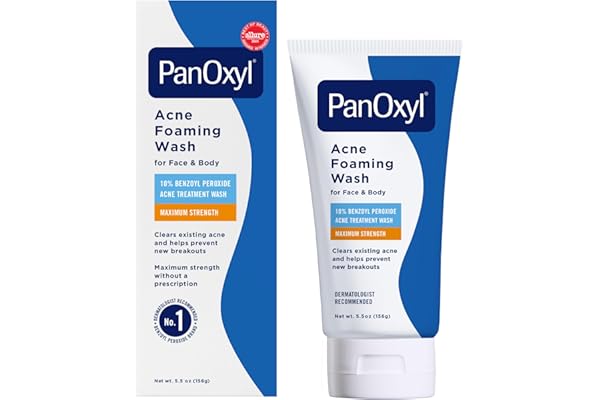
Razor Burn
Razor burn typically appears within minutes to hours after shaving. It manifests as:
- Redness and inflammation
- A burning or stinging sensation
- Small, red bumps
- Tenderness to the touch
Razor burn is caused by shaving too closely, using a dull blade, shaving against the grain, or not using adequate lubrication. It’s essentially a friction burn combined with irritation from the blade.
General Beard Itch
Beard itch from trimming is different. It often:
- Develops 12-48 hours after trimming
- Feels like a deep, crawling sensation
- May come and go throughout the day
- Isn’t always accompanied by visible redness
This type of itch is caused by the sharp hair ends interacting with skin, combined with dryness and the natural healing process of any minor trauma from the trim.
Ingrown Hairs
Sometimes, what feels like general itch is actually the beginning of an ingrown hair. When a trimmed hair curls back and grows into the skin rather than out of the follicle, it creates a small, often painful bump. These typically appear a few days after trimming and may develop into noticeable red or whiteheads.
Part 3: Pre-Trim Preparation to Prevent Itch
The best way to deal with post-trim itch is to prevent it before it starts. Proper preparation makes all the difference.
Step 1: Wash Thoroughly
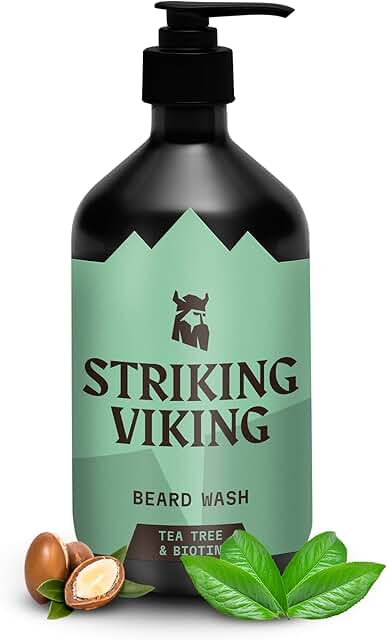
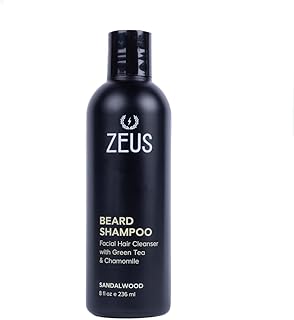
Always start with a clean beard and face. Use a beard-specific wash to remove dirt, excess oil, and any products from previous days. This does two things: it softens the hair for a cleaner cut, and it cleans the skin to prevent bacteria from entering any micro-abrasions caused by trimming.
Pro Tip: Wash with warm—not hot—water. Hot water strips natural oils aggressively, while warm water cleans effectively without complete oil removal.
Step 2: Apply a Hot Towel
Before you pick up your trimmer, apply a hot, damp towel to your beard for 2-3 minutes. This classic barber technique:
- Softens the hair, making it easier to cut cleanly
- Opens pores, allowing for easier hair release
- Increases blood flow to the area
- Relaxes the skin, reducing tension during trimming
The heat and moisture penetrate the hair shaft, making each strand more pliable. When you cut softened hair, you get a cleaner cut that’s less likely to create those sharp, jagged ends that cause itching.
Step 3: Use Sharp, Clean Tools
Dull blades don’t cut—they tear. When your trimmer blades are dull, they pull at hairs rather than slicing through them cleanly. This creates ragged, uneven ends that are more likely to irritate skin as they grow back.
Maintenance Checklist:
- Clean your trimmer after every use to remove hair and oil buildup
- Oil the blades regularly according to manufacturer instructions
- Replace blades when they show signs of dullness (typically every 6-12 months with regular use)
- Sanitize blades before use, especially if you share grooming tools
Step 4: Use the Right Guard Length
One of the most common mistakes men make is trimming too close, especially on the neck. When you cut hair too short, you create those sharp, prickly ends that cause maximum irritation.
The Guard Rule: Always use a guard that leaves at least 1-2mm of length, especially on sensitive areas like the neck. If you’re prone to itch, consider leaving the neck slightly longer than the rest of your beard. This gives the hairs room to lie flat against the skin rather than poking straight out.
Step 5: Shave with the Grain
When defining your neckline and cheek lines with a razor, always shave with the grain of your hair growth. Shaving against the grain gives a closer cut but dramatically increases the risk of:
- Razor burn
- Ingrown hairs
- Irritation
- Post-shave itch
If you need a closer cut, do one pass with the grain, then a second pass across the grain if necessary. Avoid going against the grain entirely on sensitive areas.
Step 6: Cold Water Rinse
After you’ve finished trimming and shaving, rinse your face and beard with cold water. This:
- Closes pores that were opened by warm water
- Reduces inflammation
- Soothes irritated skin
- Removes any loose hairs and shaving residue
Pat your face dry with a clean towel—never rub, as rubbing further irritates freshly trimmed skin.
Part 4: Post-Trim Care to Stop the Itch
What you do in the minutes and hours after trimming determines whether you’ll be itching by bedtime.
Immediate Post-Trim: Apply Beard Oil
As soon as your beard is dry after your cold rinse, apply beard oil. This is non-negotiable. Beard oil serves multiple critical functions after a trim:
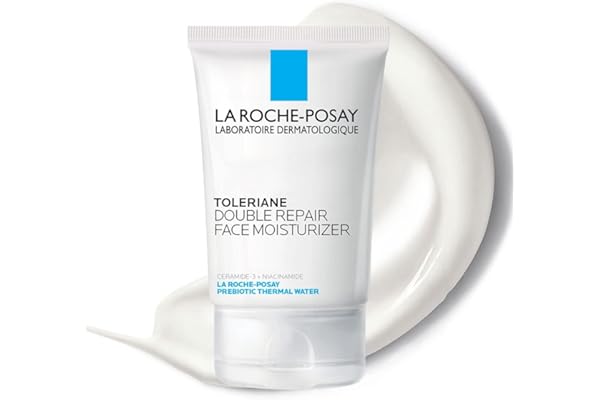
- Moisturizes the Skin: The oil penetrates to the skin beneath, replacing moisture lost during washing and trimming.
- Softens Hair Ends: Oil coats each hair shaft, softening those sharp, fresh-cut ends so they’re less likely to irritate skin.
- Creates a Barrier: A thin layer of oil protects skin from environmental irritants and reduces friction between hair and skin.
- Soothes Inflammation: Many beard oils contain ingredients like tea tree, eucalyptus, or chamomile that naturally calm irritated skin.
Application Technique:
- Dispense 3-5 drops (more for longer beards) into your palm
- Rub hands together to warm and distribute
- Work into your beard, focusing on getting the oil to the skin beneath
- Pay extra attention to the neck and jawline—the itchiest areas
- Brush or comb through to ensure even distribution
Discover top-rated Beard Oils for itch relief on Amazon here
The First 24 Hours: Moisture Maintenance
In the day following your trim, your skin is in recovery mode. Maintain moisture with these strategies:
Reapply Oil as Needed: If your skin feels tight or you notice the first signs of itch, apply a small amount of oil. You can’t over-moisturize with quality oil—your skin will absorb what it needs.
Avoid Harsh Products: Skip any face washes with alcohol, sulfates, or strong fragrances for the first 24-48 hours. Stick to gentle, beard-specific products or simply rinse with water.
Don’t Scratch: This is the hardest rule to follow, but scratching provides only temporary relief and causes long-term damage. Scratching irritates skin further, can introduce bacteria, and may even damage hair follicles. If you must address an itch, use your knuckles to gently massage the area rather than your nails to scratch.
Days 2-3: Introduce Balm
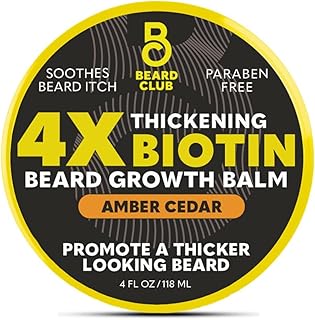
By day two or three post-trim, your beard has grown slightly, and the sharpest ends have begun to soften. This is the perfect time to incorporate beard balm into your routine.
Beard balm provides:
- Additional moisture through butters like shea and cocoa
- Light hold to train hairs and keep them lying flat against skin
- A protective barrier against environmental factors
- Extended fragrance from essential oils
When hairs are trained to lie flat (rather than sticking straight out), they’re much less likely to poke and irritate your skin. Balm helps achieve this training while adding another layer of moisture.
Ongoing: The Power of Brushing
Daily brushing with a quality boar bristle brush does more than just make your beard look good. It:
- Distributes natural oils and products evenly
- Exfoliates dead skin cells that can trap hairs and cause irritation
- Trains hairs to grow in the desired direction
- Stimulates blood flow to follicles
- Removes debris that could contribute to itch
For men prone to post-trim itch, consistent brushing is one of the most effective preventive measures. It keeps hairs aligned and skin exfoliated, reducing the chance of hairs curling back and causing problems.
Brushing Technique:
- Brush against the grain first to lift hairs and reach skin
- Follow with the grain to smooth and train
- Pay extra attention to the neck area where itch is most common
- Brush daily, ideally morning and night
Part 5: Soothing the Itch When It Strikes
Despite your best preventive efforts, sometimes the itch still comes. When it does, here’s how to find relief.
Immediate Relief Strategies
Cold Compress: Apply a cold, damp cloth to the itchy area for 5-10 minutes. Cold numbs nerve endings temporarily and reduces inflammation. This is particularly effective for razor burn and general irritation.
Aloe Vera: Pure aloe vera gel (look for high concentrations, ideally 90% or more) is nature’s soothing agent. It cools the skin, reduces inflammation, and provides moisture without greasiness. Apply a thin layer to itchy areas and allow it to absorb.
Witch Hazel: A natural astringent, witch hazel can reduce inflammation and soothe irritated skin. Apply with a cotton pad to affected areas. Be cautious—witch hazel can be drying with frequent use, so reserve it for acute itch episodes.
Tea Tree Oil Solution: Tea tree oil has natural anti-inflammatory and antimicrobial properties. Never apply undiluted tea tree oil directly to skin—it’s too strong. Instead, add 2-3 drops to your regular beard oil or mix with a carrier oil like jojoba before applying.
Soothing Washes
If you’re in the midst of an itch flare-up, consider a soothing wash routine:
- Use lukewarm water (hot water aggravates irritation)
- Apply a gentle, fragrance-free beard wash
- Massage gently with fingertips, not nails
- Rinse thoroughly
- Pat dry—never rub
- Apply soothing oil immediately while skin is still slightly damp
Look for washes containing:
- Oatmeal extract (soothing)
- Aloe vera (cooling)
- Chamomile (anti-inflammatory)
- Tea tree oil (antimicrobial)
- Eucalyptus (cooling)
When to See a Doctor
While most post-trim itch is normal and manageable, certain symptoms warrant professional attention:
- Severe redness spreading beyond the beard area
- Pus or yellow discharge from bumps
- Fever or swelling of lymph nodes
- Itch that persists for weeks despite proper care
- Signs of infection (warmth, increasing pain, red streaks)
These could indicate a bacterial infection requiring medical treatment.
Part 6: Long-Term Solutions for Chronic Itch
If you experience post-trim itch after every single trim, you may need to adjust your long-term approach.
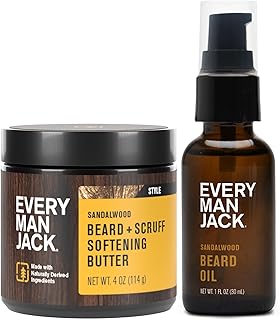
Adjust Your Trimming Frequency
Some men simply have sensitive skin that reacts to any trim. If this sounds like you, consider:
Trimming Less Often: Instead of weekly trims, stretch to every 10-14 days. This gives your skin more time to recover between sessions and reduces cumulative irritation.
Leaving More Length: The shorter you cut, the sharper the ends. Try leaving your beard slightly longer overall, and definitely longer on sensitive areas like the neck. You may find that a quarter-inch of length makes all the difference in comfort.
Professional Trims: If DIY trims consistently cause problems, consider visiting a professional barber. They have experience, sharp tools, and techniques that minimize irritation. Watch what they do and ask questions—you may learn techniques to apply at home.
Improve Your Skin Health
Chronic itch often stems from chronically dry or unhealthy skin. Address the root cause with these strategies:
Hydrate from Within: Drink more water. Dehydrated skin is more prone to irritation and itch. Aim for 8-10 glasses daily, more if you’re active or live in a dry climate.
Adjust Your Diet: Omega-3 fatty acids (found in fish, walnuts, and flaxseed) support skin health. Biotin-rich foods (eggs, nuts, sweet potatoes) support healthy hair growth. A balanced diet with adequate protein gives your body the building blocks for healthy skin and hair.
Consider Supplements: Some men benefit from supplements like:
- Biotin
- Fish oil (omega-3s)
- Vitamin D
- Zinc
Consult a healthcare provider before starting any supplement regimen.
Humidify Your Environment: If you live in a dry climate or use indoor heating, consider a humidifier in your bedroom. Adding moisture to the air prevents your skin from drying out overnight.
Evaluate Your Products
Sometimes the culprit isn’t the trim—it’s the products you’re using before and after. Consider:
Allergies or Sensitivities: You may be reacting to fragrances, preservatives, or other ingredients in your products. Try switching to fragrance-free or hypoallergenic options for a few weeks to see if symptoms improve.
Harsh Ingredients: Avoid products containing:
- Alcohol (drying and irritating)
- Sodium lauryl sulfate (harsh detergent)
- Artificial fragrances (potential irritants)
- Parabens (preservatives some people react to)
Quality Matters: Not all beard products are created equal. Cheaper products may use low-quality ingredients that sit on the skin rather than absorbing, potentially trapping bacteria and causing irritation.
Find high-quality, natural Beard Care products on Amazon here
Part 7: The Role of Ingrown Hairs
Ingrown hairs deserve special attention because they’re often mistaken for general itch but require specific treatment.
What Are Ingrown Hairs?
An ingrown hair occurs when a trimmed hair curls back and grows into the skin instead of rising out of the follicle. This creates:
- A small, red bump
- Possible whitehead (if infected)
- Tenderness or pain
- Persistent localized itch
Men with curly or coarse hair are most prone to ingrowns, and they most commonly occur on the neck where hair growth patterns are unpredictable.
Preventing Ingrown Hairs
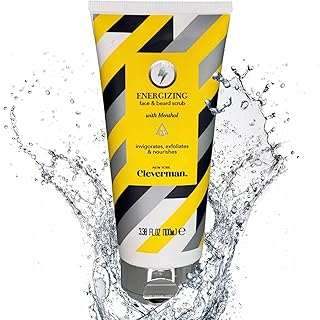
Exfoliate Regularly: Gentle exfoliation removes dead skin cells that can trap hairs. Use your beard brush daily, and consider a gentle exfoliating scrub once weekly.
Don’t Trim Too Short: Leave enough length that hairs can’t easily curl back into skin. On the neck especially, err on the side of longer.
Shave Properly: When defining your neckline:
- Always use a sharp blade
- Shave with the grain
- Don’t stretch skin taut while shaving
- Rinse with cold water afterward
Treating Existing Ingrowns
Warm Compress: Apply a warm, damp cloth to the area for 5-10 minutes. This softens skin and may encourage the hair to work its way out.
Gentle Exfoliation: Lightly exfoliate the area with a soft brush or gentle scrub to remove skin covering the hair.
Sterile Extraction: If the hair is visible near the surface, you can gently coax it out with a sterile needle or tweezers. Never dig—if it doesn’t come easily, leave it alone.
Antiseptic Treatment: Apply tea tree oil (diluted) or an over-the-counter antiseptic to prevent infection.
When to Stop: If the area becomes increasingly red, painful, or develops pus, stop home treatment and consider seeing a dermatologist.
Part 8: Beard Itch by Season
Your post-trim itch may vary by season. Here’s how to adjust your routine throughout the year.
Winter Itch
Challenges:
- Cold air holds less moisture
- Indoor heating dries skin
- Wind damages hair and skin
- Hat friction irritates
Solutions:
- Heavier oils (argan, coconut)
- More frequent balm application
- Humidifier in bedroom
- Beard wrap or scarf for extreme cold
- Extra conditioning treatments
Summer Itch
Challenges:
- Sweat accumulation
- Increased bacteria
- Sun exposure
- Chlorine and salt water
Solutions:
- More frequent rinsing (post-sweat)
- Lighter oils (grapeseed, jojoba)
- Antifungal ingredients (tea tree oil)
- Sunscreen on exposed skin
- Post-swim rinsing and conditioning
Seasonal Transition Tips
Spring/Fall:
- Adjust products gradually as weather changes
- Address any damage from previous season
- Prepare for upcoming challenges
Part 9: Common Mistakes That Make Itch Worse
Mistake #1: Scratching
Scratching provides temporary relief but causes long-term problems:
- Damages skin barrier
- Introduces bacteria
- Can damage hair follicles
- Creates a scratch-itch cycle that’s hard to break
Instead: Massage gently with knuckles, apply cold compress, or use soothing products.
Mistake #2: Over-Washing
Washing too frequently strips natural oils, leading to dryer skin and more itch. Stick to 2-3 times weekly with beard wash, and simply rinse with water on other days.
Mistake #3: Using Harsh Soaps
Regular bar soaps and body washes are too harsh for facial skin. They’re formulated for the thicker skin on your body and will strip your face of essential moisture. Always use beard-specific products.
Mistake #4: Skipping Moisturizer
Some men think oil or balm is optional. For anyone prone to itch, it’s essential. These products aren’t cosmetic—they’re functional necessities for skin health.
Mistake #5: Trimming Dry Hair
Trimming completely dry, unsoftened hair creates rougher cut ends. Always soften hair with a warm towel or by washing before trimming for cleaner cuts and less irritation.
Mistake #6: Ignoring Your Neck
The neck is the most common itch zone, yet many men neglect it in their grooming routine. Pay special attention to your neck when applying products and when brushing.
Mistake #7: Using Dull Blades
Dull trimmer blades and razors tear hair rather than cutting it cleanly. This creates ragged ends that irritate more and increases the risk of ingrown hairs. Replace blades regularly.
Part 10: Creating Your Post-Trim Anti-Itch Protocol
Based on everything we’ve covered, here’s a complete protocol you can follow after every trim to minimize or eliminate itch.
The Complete Post-Trim Protocol
Immediately After Trimming (First 30 Minutes):
- Rinse with cold water to close pores
- Pat dry gently with clean towel
- Apply beard oil (3-5 drops, worked into skin)
- Brush to distribute and train
- Apply balm if desired for extra control
First 24 Hours:
- Rinse with lukewarm water only (no wash)
- Reapply oil if skin feels tight
- Avoid scratching at all costs
- Use cold compress if itch flares
- Brush gently morning and night
Days 2-3:
- Resume normal washing schedule
- Continue oil twice daily
- Add balm for styling and extra moisture
- Monitor for ingrown hairs
- Exfoliate gently with brush
Days 4-7:
- Return to normal routine
- Assess any problem areas for next trim
- Note what worked and what didn’t
Troubleshooting Your Protocol
If itch persists despite following protocol:
- Try a different oil (you may be sensitive to specific ingredients)
- Increase brushing frequency
- Consider leaving more length next trim
- Evaluate your pre-trim preparation
If specific areas always itch:
- Pay extra attention to those areas during product application
- Consider trimming those areas less frequently
- Use targeted treatments (tea tree oil spot treatment)
If razor burn is the primary issue:
- Review your shaving technique
- Try a different razor (single-blade may be better)
- Use pre-shave oil
- Ensure adequate lubrication during shaving
Part 11: Expert Tips from Barbers
We reached out to professional barbers for their best advice on preventing post-trim itch. Here’s what they shared:
The Hot Towel Secret
“Never skip the hot towel. Even if you’re at home, a hot, damp towel for 2-3 minutes before trimming makes a massive difference. It softens the hair so you get a cleaner cut, and it preps the skin to handle the trim better.” — Marcus, 15-year barber
The Direction Rule
“Pay attention to which direction your hair grows, especially on the neck. Most men have multiple growth directions on their neck. Trim with the grain, not against it. If you go against the grain on the neck, you’re asking for itch and ingrowns.” — David, Master Barber
The Product Layering Technique
“Oil first, then balm. The oil penetrates to the skin where it’s needed most. The balm seals it in and adds a protective layer. Men who skip one or the other always have more complaints about itch.” — James, Barber Shop Owner
The Night Before Tip
“If you know you’re trimming tomorrow, do a deep conditioning treatment the night before. Soft, healthy hair trims better and causes less irritation than dry, brittle hair.” — Carlos, Celebrity Barber
The 24-Hour Rule
“Don’t judge your trim immediately. Give it 24 hours. Sometimes what looks too short right after the trim looks perfect the next day. If you try to fix it immediately, you often make it worse.” — Tony, Barber since 1985
Part 12: When to Seek Professional Help
Most post-trim itch is normal and manageable at home. However, certain situations warrant professional attention.
Signs You Should See a Dermatologist
Persistent Severe Itch: If you’ve tried everything for weeks and the itch remains severe, you may have an underlying skin condition like seborrheic dermatitis, eczema, or psoriasis.
Signs of Infection: Increasing redness, warmth, swelling, pain, or pus indicates possible infection requiring medical treatment.
Hair Loss: If you notice patches of hair loss along with itching, this could indicate alopecia areata or another condition requiring diagnosis.
Scarring: If your scratching has led to scarring or if you’re developing keloids from ingrown hairs, professional treatment can prevent permanent damage.
What a Dermatologist Can Offer
- Prescription-strength anti-itch creams
- Antibiotics for infection
- Diagnosis of underlying skin conditions
- Professional extraction of problematic ingrowns
- Laser hair removal for chronic, severe ingrown hair problems
Finding the Right Professional
If you decide to seek help:
- Look for a board-certified dermatologist
- Ask about experience with men’s skin issues
- Bring a list of products you’re using
- Be prepared to discuss your full routine
Conclusion: Itch-Free Trims Are Possible
Beard itch after trimming is frustrating, but it’s not inevitable. By understanding why it happens—the sharp hair ends, the skin trauma, the dryness—you can take targeted action to prevent it.
The foundation of itch-free grooming is simple:
- Prepare properly before you trim
- Use sharp, clean tools with appropriate guards
- Moisturize immediately after trimming
- Maintain daily with oil, balm, and brushing
- Address problems early before they escalate
Every man’s skin is different. What works for your friend may not work perfectly for you. Pay attention to how your skin responds to different products and techniques. Keep notes if necessary. Over time, you’ll develop a personalized routine that keeps your beard looking sharp and your skin feeling comfortable.
Remember that some itch is normal—your skin is responding to the trauma of trimming and the growth of new hair. But severe, persistent itch that interferes with your daily life is a sign that something in your routine needs adjustment. Listen to your body and make changes accordingly.
With the right approach, you can enjoy the confidence of a well-groomed beard without the misery of constant itching. Your post-trim hours and days should be about showing off your fresh look, not suffering in silence.
Ready to banish beard itch for good?
For all the essential products mentioned in this guide—from pre-trim washes and quality trimmers to soothing post-trim oils, moisturizing balms, and exfoliating brushes—visit my Amazon store for a curated selection of the best beard care products available:
👉 Shop the Complete Anti-Itch Collection at Cosmocare-20
Find everything you need for a comfortable, itch-free beard: gentle beard washes for proper preparation, high-quality trimmers with sharp blades for clean cuts, nourishing beard oils with soothing ingredients like tea tree and eucalyptus, moisturizing beard balms for all-day comfort, exfoliating boar bristle brushes, and targeted treatments for ingrown hairs. Whether you’re dealing with mild post-trim irritation or chronic itch issues, you’ll find products that deliver relief. Shop now and discover the difference that proper care makes.