

📌 TL/DR
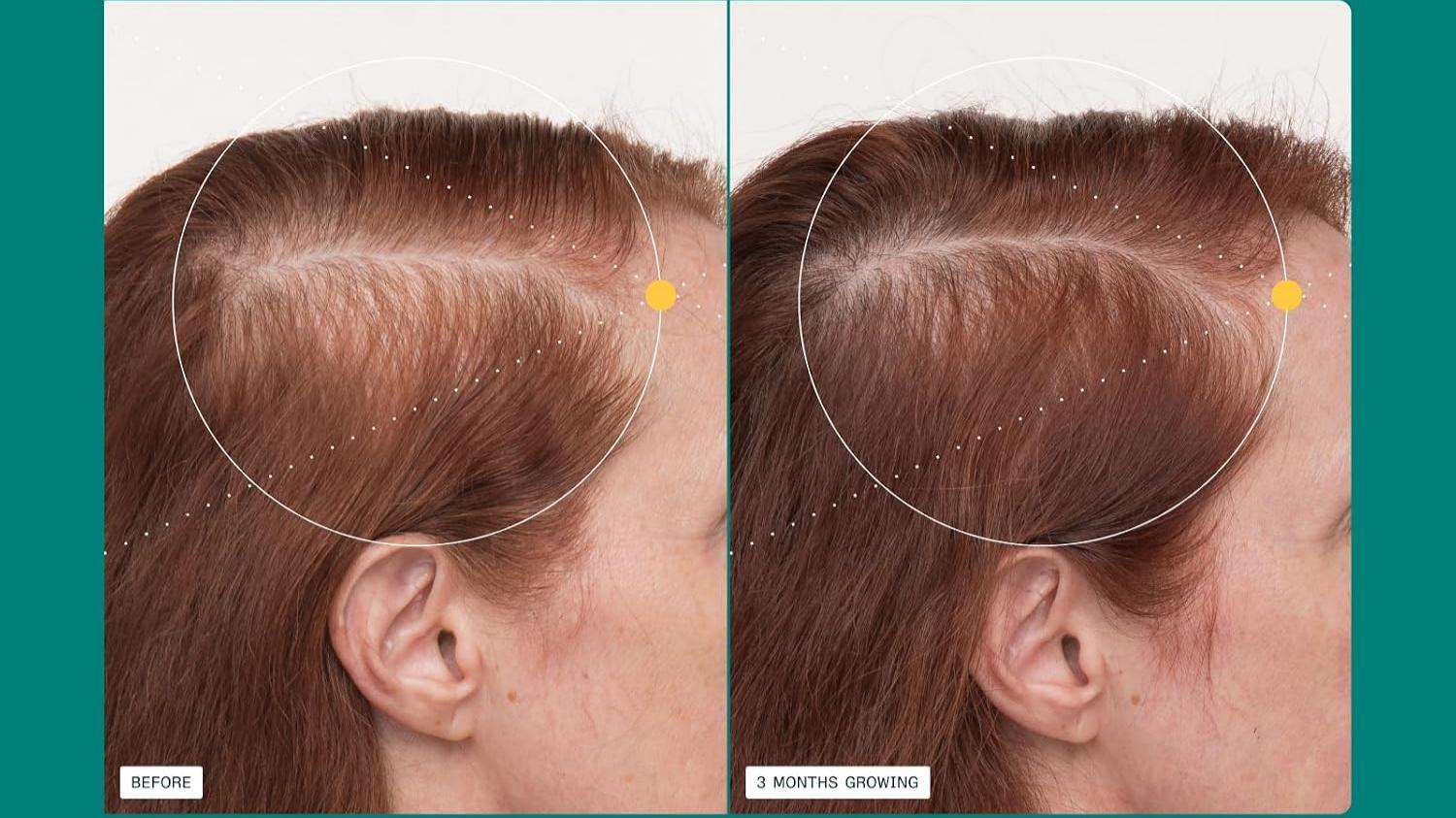
Exosome therapy delivers a higher, more consistent concentration of growth factors (up to 1,000+ vs PRP’s 7-25) and works independently of your age and health. It may produce faster visible results (2-3 months) and often requires fewer sessions [citation:2][citation:6]. However, it’s newer, more expensive ($1,500-$4,000/session vs PRP’s $500-$1,500), and long-term data is still emerging.
PRP uses your own blood, is well-established with over a decade of clinical evidence, more affordable, and widely available. It typically requires 3-4 initial sessions and results take longer (3-6 months) [citation:6][citation:11]. A 2025 systematic review suggested exosome therapy shows the most promising results for hair regrowth and safety, followed by PRP [citation:3].
Bottom line: Choose PRP if you have early-stage hair loss, prefer a natural autologous treatment, and have budget constraints. Choose exosomes if you’ve tried PRP without success, have more advanced thinning, want faster results, or prefer fewer sessions [citation:1][citation:6][citation:11].
📖 Table of Contents
🔬 1. What Are PRP and Exosome Therapy?
What Is PRP for Hair Loss?
Platelet-rich plasma (PRP) therapy has been used in hair restoration for over a decade [citation:6][citation:9]. The process starts with a blood draw from your arm. The blood is spun in a centrifuge to separate and concentrate platelets, which are rich in growth factors. This concentrated plasma is then injected into your scalp to stimulate hair follicles [citation:1][citation:2].
PRP is autologous — meaning it uses your own biological material. This makes it a natural, safe option with virtually no risk of allergic reactions or disease transmission [citation:2][citation:11]. It works by delivering growth factors like PDGF and VEGF directly to the follicular environment, potentially extending the anagen (growth) phase and improving scalp health [citation:9].
What Is Exosome Hair Therapy?
Exosome therapy is a newer, more advanced approach in regenerative medicine. Exosomes are nano-sized extracellular vesicles secreted by stem cells — they act as cellular messengers, carrying proteins, lipids, and genetic information between cells [citation:2][citation:6].
Exosomes deliver a concentrated payload of over 1,000 growth factors [citation:11] and regenerative signals directly to hair follicles [citation:1][citation:2]. Unlike PRP, exosome therapy does not require a blood draw — the solution is pre-prepared in a lab [citation:2][citation:5]. This means the treatment is consistent and not dependent on your age, health, or platelet quality [citation:2][citation:6].
📊 2. Head-to-Head Comparison: Exosome Therapy vs PRP
| Feature | PRP (Platelet-Rich Plasma) | Exosome Therapy |
|---|---|---|
| Source | Your own blood (autologous) | Lab-purified stem cell-derived exosomes |
| Blood Draw Required? | ✅ Yes | ❌ No |
| Growth Factors | 7-25 (dependent on your health & age) | 400-1,000+ (standardized) |
| Consistency | Variable — depends on your biology | Highly consistent, standardized dose |
| Initial Sessions Needed | 3-4 sessions, 4-6 weeks apart | 1-3 sessions, 4-8 weeks apart |
| Maintenance | Every 3-6 months | Every 6-12 months |
| Results Timeline | Visible in 3-4 months, optimal at 6-12 months | Visible in 2-3 months, optimal at 6 months |
| Cost Per Session | $500 – $1,500 | $1,500 – $4,000+ |
| Best Suited For | Early-stage hair loss, natural approach | Moderate-advanced thinning, non-responders to PRP |
| Clinical Evidence | Well-established, 10+ years of studies | Promising early research, long-term data emerging |
| Availability | Widely available | Limited, growing |
Sources: [citation:2][citation:5][citation:6]
📈 3. Effectiveness: What the Evidence Says
PRP Effectiveness
PRP has genuine clinical evidence behind it. Randomized trials in patients with androgenetic alopecia report increases in hair density of approximately 10 to 30 hairs/cm² compared with baseline or control groups [citation:7][citation:8]. Studies generally show 60% to 80% of patients experiencing some degree of improvement [citation:11].
However, outcomes vary widely. PRP’s effectiveness depends heavily on your platelet quality, age, and overall health — which means results can be inconsistent from patient to patient [citation:2][citation:6].
Exosome Effectiveness
A 2025 systematic review comparing exosome therapy, PRP, and minoxidil for androgenetic alopecia found that exosome therapy shows the most promising results in terms of hair regrowth and safety, followed by PRP [citation:3][citation:4].
Exosomes offer several advantages over PRP:
- Higher concentration of growth factors — up to 1,000+ vs PRP’s limited supply [citation:2][citation:11]
- Not dependent on your biology — consistent dosing regardless of age or health [citation:6]
- Anti-inflammatory properties — may address inflammation-driven hair loss [citation:6]
- Potential for faster response — some patients notice reduced shedding within weeks [citation:5][citation:6]
However, the review also noted that clinical evidence for exosomes is limited to small, heterogeneous studies with substantial variability in product characterization and dosing [citation:7][citation:8].
🔬 Key Finding: A 2025 systematic review concluded that exosome therapy appears to hold the greatest potential for long-term improvement, but further research is needed to guide clinical decision-making [citation:3].
⏳ 4. Results Timeline Comparison
PRP Results Timeline
- 2-4 weeks: Some patients notice reduced shedding [citation:5]
- 2-3 months: Initial improvements in hair quality may become visible [citation:5][citation:11]
- 3-6 months: Visible increases in hair density typically appear [citation:6][citation:11]
- 6-12 months: Optimal results achieved [citation:1][citation:11]
Exosome Results Timeline
- 2-3 weeks: Some patients report less hair fall [citation:5]
- 6-8 weeks: First signs of improvement — stronger regrowth, thicker texture [citation:10]
- 2-3 months: Visible results often appear earlier than PRP [citation:1][citation:6]
- 3-6 months: Full regrowth and density improvements become apparent [citation:10]
- 6-12 months: Continued improvement and maintenance phase [citation:1]
💰 5. Cost Comparison
| Factor | PRP | Exosome Therapy |
|---|---|---|
| Per Session Cost | $500 – $1,500 | $1,500 – $4,000+ |
| Initial Sessions | 3-4 | 1-3 |
| Total First-Year Investment | $2,000 – $6,000 | $1,500 – $8,000+ |
| Maintenance Cost (Annual) | $500 – $2,000 | $1,500 – $4,000 |
| Insurance Coverage | Rarely covered | Rarely covered |
Source: [citation:11]
Important note: While exosome therapy has a higher upfront cost, the total cost may be comparable to PRP when you factor in that fewer sessions are often required [citation:11]. Additionally, costs vary significantly by location — with Turkey and the UK being more affordable than the USA [citation:1][citation:5].
🛡️ 6. Safety and Side Effects
✅ PRP Safety
- Uses your own blood — no allergic reactions
- Well-established safety profile
- Minimal side effects: temporary redness, tenderness, swelling
- Infection risk < 1% with proper sterile technique
⚠️ Exosome Safety
- Generally safe with properly processed products
- Mild, temporary side effects: redness, swelling, itching
- No serious adverse events reported in studies
- Long-term safety data still being established
- Important to use FDA-compliant, properly sourced products
Both treatments are considered minimally invasive with no downtime [citation:1][citation:5]. Most patients return to their normal routine immediately after treatment. Side effects typically resolve within 24-48 hours [citation:10].
🎯 7. Which One Is Right for You?
Choose PRP if:
- You have early-stage hair loss (mild to moderate thinning) [citation:1][citation:6]
- You prefer a natural, autologous treatment using your own blood [citation:2][citation:9]
- You’re on a budget — PRP is more affordable per session [citation:5][citation:11]
- You have healthy platelet quality and good overall health [citation:2]
- You want a treatment with a long clinical track record [citation:6][citation:9]
Choose Exosome Therapy if:
- You have moderate to advanced hair thinning or bald patches [citation:1][citation:5]
- You’ve tried PRP and seen limited results [citation:6][citation:11]
- You want faster visible results — potentially 2-3 months [citation:5][citation:6]
- You have lower platelet quality or health conditions affecting platelet function [citation:6]
- You prefer fewer treatment sessions [citation:5][citation:11]
- You’re dealing with inflammation-driven hair loss [citation:6]
- You’re willing to invest more for cutting-edge technology [citation:6]
💡 Pro Tip: Many clinics now offer combination protocols — starting with exosomes for a stronger kick and maintaining with PRP for ongoing support [citation:1][citation:5][citation:9].
❓ 8. FAQ: Exosome Therapy vs PRP
Is exosome therapy better than PRP for hair loss?
A 2025 systematic review found that exosome therapy shows the most promising results for hair regrowth and safety, followed by PRP [citation:3]. However, exosomes are newer and long-term data is still limited [citation:6][citation:7]. The better choice depends on your hair loss stage, budget, and goals [citation:1].
Which works faster — exosomes or PRP?
Exosomes typically produce visible results faster — some patients notice improvements in 6-8 weeks compared to PRP’s 3-4 months [citation:5][citation:10][citation:11]. This is because exosomes contain a much higher concentration of growth factors [citation:2][citation:11].
How many sessions of exosomes vs PRP are needed?
PRP typically requires 3-4 initial sessions spaced 4-6 weeks apart, followed by maintenance every 3-6 months [citation:6][citation:11]. Exosome therapy often requires 1-3 initial sessions spaced 4-8 weeks apart, with maintenance every 6-12 months [citation:1][citation:11].
Is exosome hair therapy safe? What are the side effects?
Both treatments are considered safe with minimal side effects. Common side effects include temporary redness, swelling, tenderness, and itching at injection sites [citation:1][citation:10]. No serious adverse events have been reported in exosome studies, but long-term data is still limited [citation:2][citation:6].
Can I combine exosome therapy with PRP?
Yes! Many clinics offer combination protocols, starting with exosomes for a stronger effect and maintaining with PRP [citation:1][citation:5][citation:9]. Some patients benefit from this combined approach, especially those with more advanced hair loss [citation:9].
Does exosome therapy hurt more than PRP?
Both treatments involve scalp injections. Most patients report mild discomfort with both, and numbing cream is typically applied beforehand [citation:1][citation:12]. Exosome therapy avoids the blood draw discomfort that PRP requires [citation:2][citation:12].
Can exosomes regrow hair on completely bald areas?
Exosomes work best on thinning areas with viable, dormant follicles [citation:10]. They cannot regrow hair on completely bald, scarred, or follicle-free areas. For advanced baldness, exosomes are often combined with hair transplant surgery [citation:1].
🛒 9. Support Your Hair Restoration Journey
Whether you choose exosome therapy or PRP, supporting your scalp health with quality products can enhance and maintain your results. Explore top-rated hair growth supplements and scalp care products:
✨ Hair Growth Support Supplement
Formulated with key nutrients for follicle health — designed to complement regenerative treatments.
✨ Scalp Care & Thickening Set
Supports scalp health and complements exosome/PRP treatments for optimal results.
✅ Final Verdict: Exosome Therapy vs PRP — Which Is Better?
The honest answer is: it depends [citation:6].
- PRP remains a solid, proven option for early-stage hair loss — it’s natural, affordable, and well-established [citation:6][citation:9].
- Exosome therapy is emerging as the stronger option for many patients — with higher growth factor concentration, faster results, and fewer sessions required [citation:2][citation:3][citation:6].
If you’ve tried PRP and seen limited results, have more advanced thinning, or want faster visible improvement, exosome therapy is worth serious consideration [citation:6][citation:11]. However, the treatment is newer and more expensive, so it’s important to choose a reputable provider who uses properly sourced, FDA-compliant exosome products [citation:6][citation:11].
Bottom line: Both treatments work. The best choice depends on your specific hair loss stage, budget, goals, and whether you prioritize a natural autologous approach or cutting-edge technology [citation:1][citation:5][citation:9].