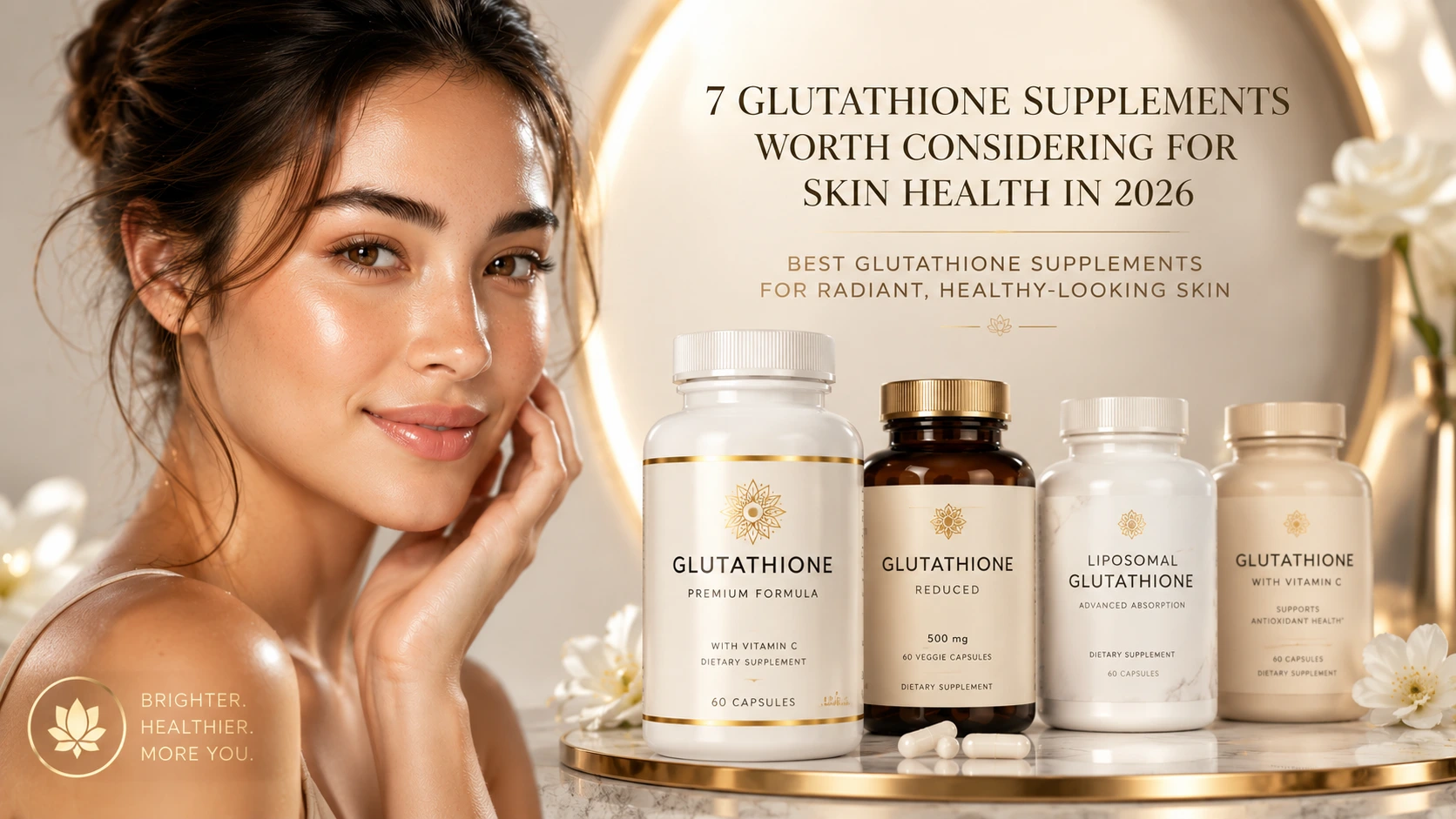

🌿 Support Healthy Hair Growth From the Inside Out
Healthy, stronger-looking hair starts from within. While a balanced diet and proper hair care routine are essential, many people also choose targeted hair growth supplements to help nourish hair follicles and provide key nutrients such as Biotin, Collagen, Zinc, and essential vitamins. When combined with healthy lifestyle habits, the right supplement may help support overall hair health and reduce breakage over time.
Ready to take the next step toward healthier-looking hair?
✔ View Recommended Hair Growth FormulaDisclosure: This page contains affiliate links. If you purchase through these links, we may earn a commission at no additional cost to you. Supplements are not intended to diagnose, treat, cure, or prevent any disease. Individual results vary. Always consult your healthcare provider before starting any new supplement, especially if you are pregnant, nursing, have a medical condition, or take prescription medications.
Can Copper Peptides Influence Skin Glow Through Mitochondrial Pathways? Emerging Research Explained
How GHK-Cu and bio-active peptides are rewriting the science of cellular radiance, collagen synthesis, and hair vitality.
📋 Table of Contents
1. The Copper–Mitochondria Connection
Emerging research reveals that copper peptides – particularly the tripeptide GHK-Cu – do far more than support collagen. They appear to modulate mitochondrial function, directly influencing how skin cells produce energy, repair DNA, and maintain a luminous, youthful glow. (Pickart et al., 2023)
Mitochondria are the powerhouses of every skin cell. As we age, mitochondrial efficiency declines, leading to oxidative stress, dullness, and loss of elasticity. Copper peptides have been shown to upregulate cytochrome c oxidase (Complex IV), a key enzyme in the electron transport chain, thereby enhancing ATP production and reducing reactive oxygen species. (Arciello et al., 2022)
2. What Is GHK-Cu (Copper Tripeptide)?
GHK-Cu (glycyl-L-histidyl-L-lysine copper) is a naturally occurring peptide found in human plasma. It was first isolated in the 1970s and has since been studied for its remarkable wound-healing, anti-inflammatory, and tissue-regenerating properties. (Pickart, 2008)
Unlike conventional peptides that simply signal collagen production, GHK-Cu acts as a copper ionophore, delivering bioavailable copper directly to cells. This copper is essential for superoxide dismutase (SOD) activity, elastin cross-linking, and mitochondrial respiration – all of which contribute to a visible “glow.” (Hostynek et al., 2013)
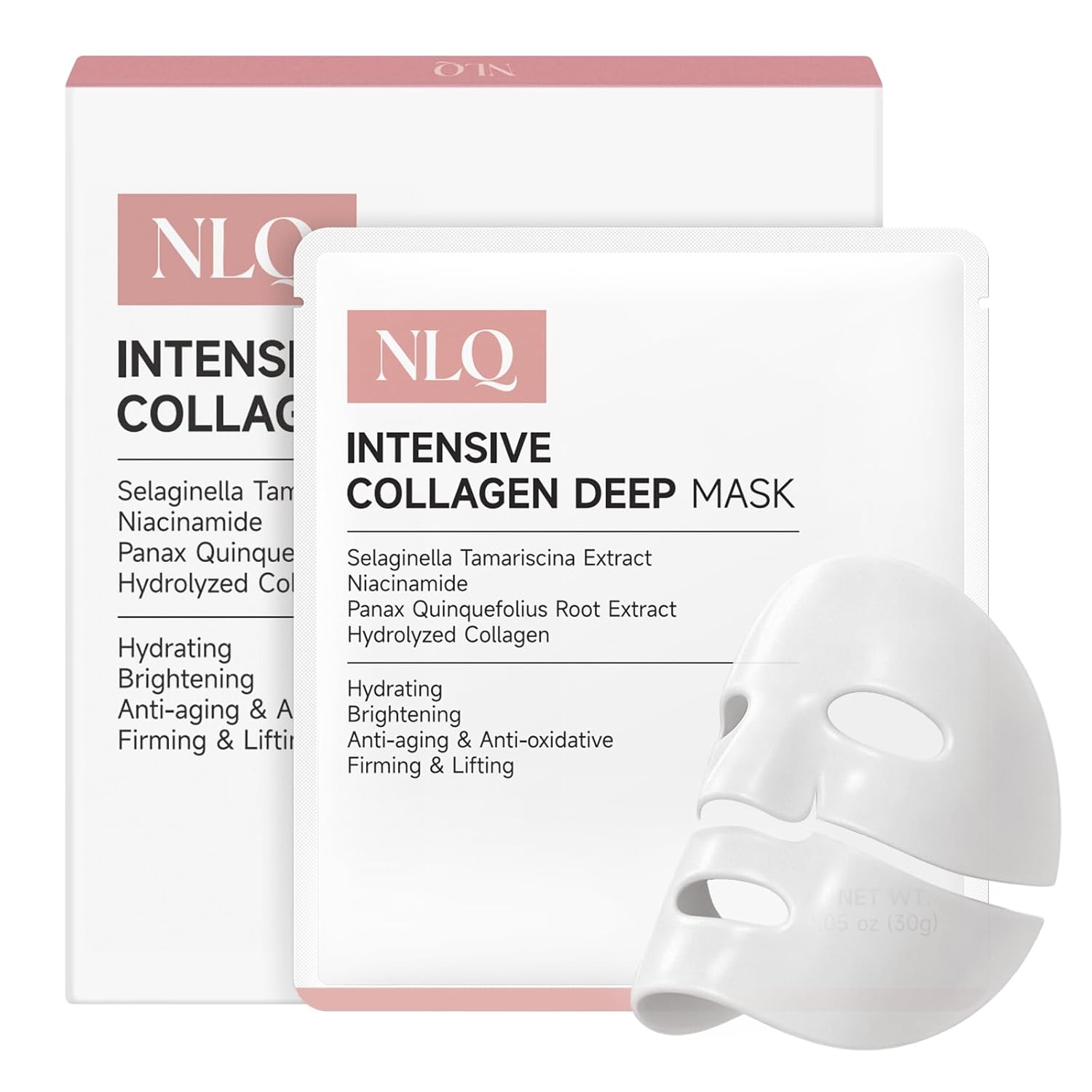
🌟 Upgrade Your Skin & Hair Routine
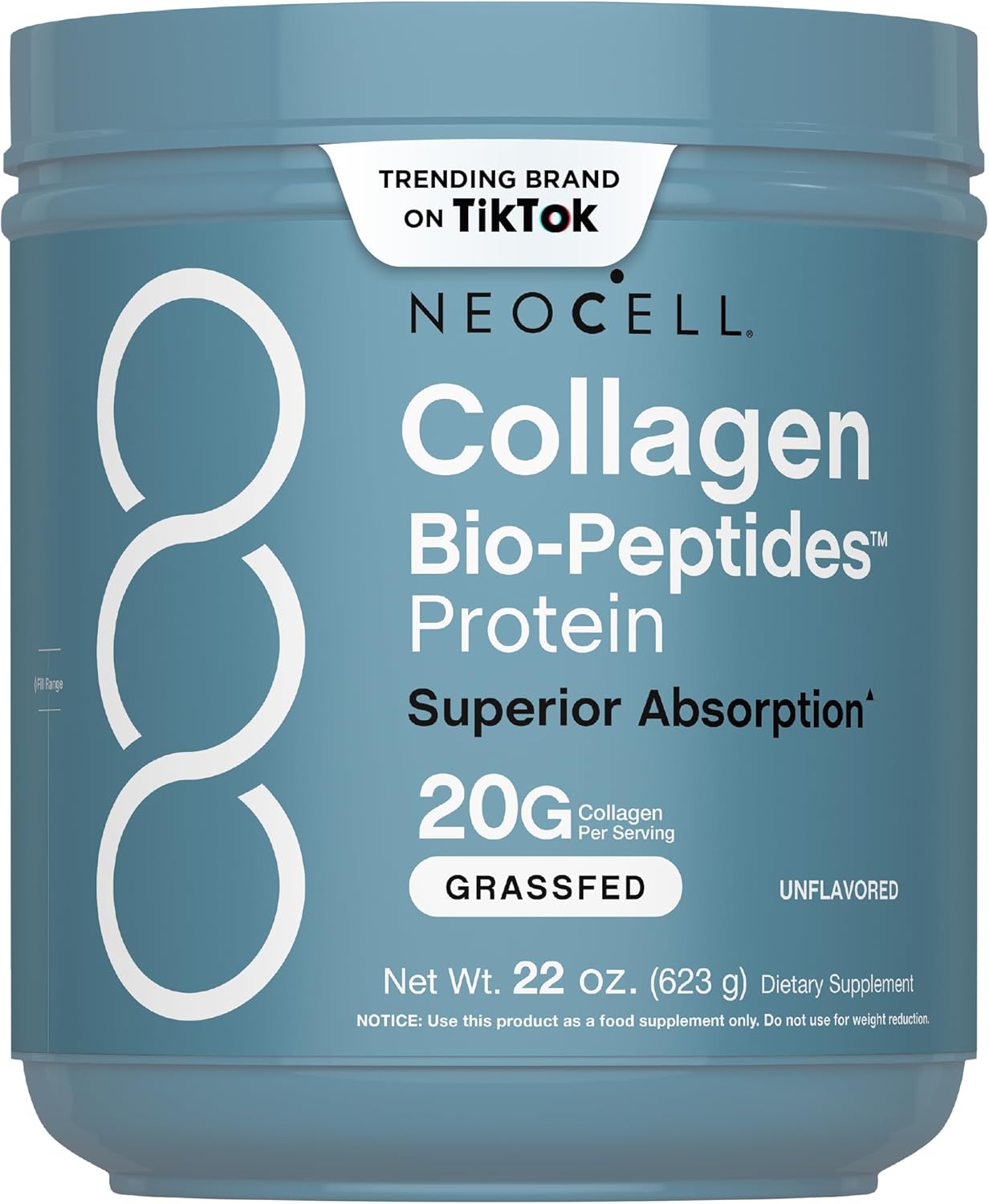
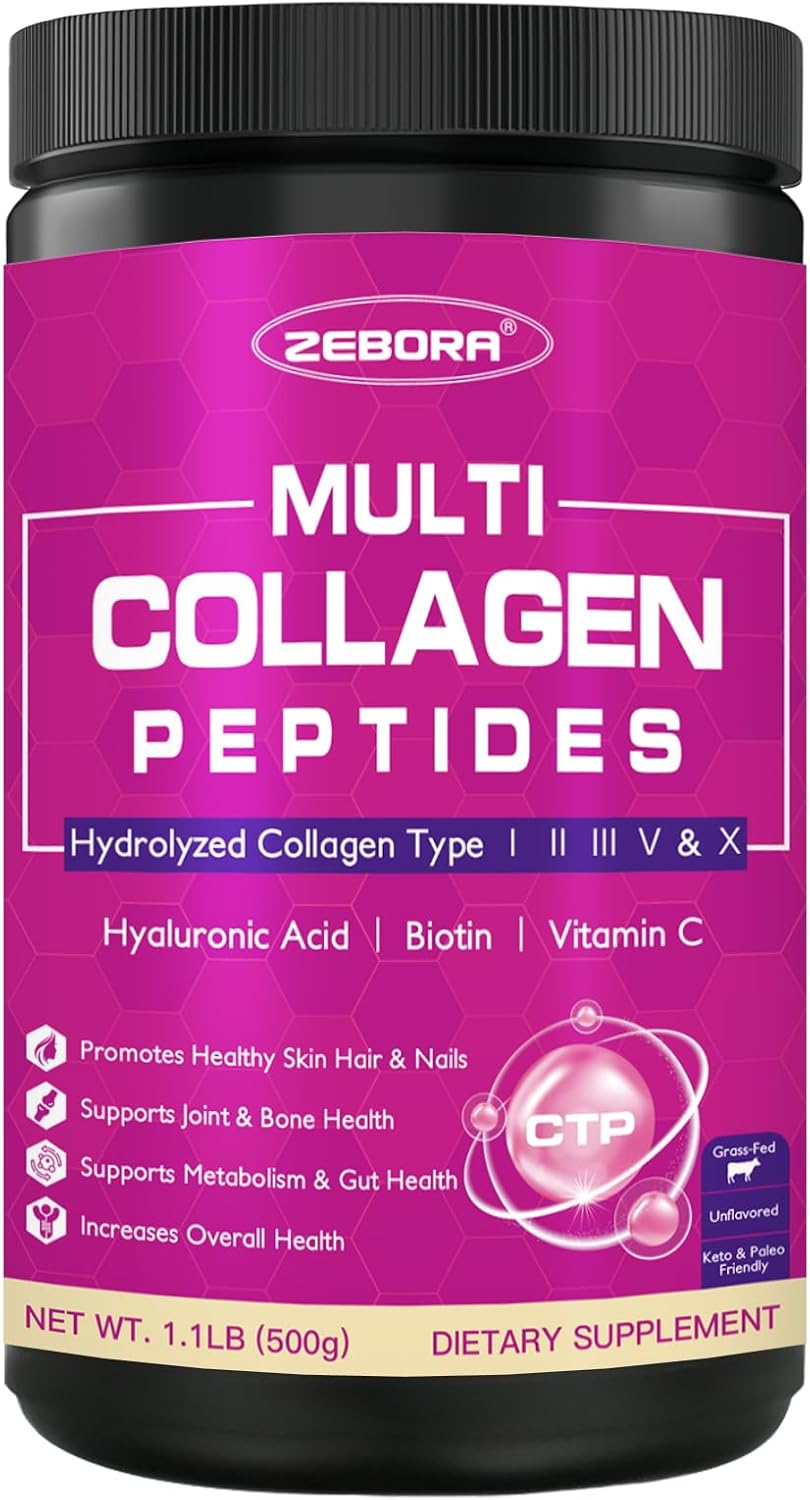
Discover top-rated copper peptide and collagen-boosting formulas trusted by skincare enthusiasts. Click below to explore on Amazon.
Shop Now on Amazon →* As an Amazon Associate we earn from qualifying purchases. Prices and availability subject to change.
3. How Mitochondrial Pathways Drive Skin Glow
The “glow” we associate with healthy skin is not merely cosmetic – it’s a biomarker of mitochondrial efficiency. When mitochondria produce ATP cleanly, cells maintain optimal hydration, rapid turnover, and balanced melanin distribution. Copper peptides support this by:
- Upregulating PGC-1α, a master regulator of mitochondrial biogenesis. (Finck & Kelly, 2006)
- Reducing oxidative damage via SOD and catalase activation. (Kurahashi & Fujii, 2020)
- Enhancing fibroblast migration and collagen I/III deposition. (Maquart et al., 1999)
Clinical observations show that topical GHK-Cu improves skin elasticity, decreases fine lines, and increases radiance within 4–6 weeks – effects that correlate with improved mitochondrial function measured by ATP/ADP ratios. (Lupo & Cole, 2019)
4. Comparative Study: GHK-Cu vs. Other Peptides for Skin, Face & Hair
Not all peptides are equal. Here’s how GHK-Cu stacks up against other popular peptides in terms of skin glow, facial rejuvenation, and hair health.
| Peptide | Primary Mechanism | Skin Glow | Hair Health | Safety |
|---|---|---|---|---|
| GHK-Cu (Copper) Best Overall | Mitochondrial support + collagen cross-linking | ⭐⭐⭐⭐⭐ (5/5) | ⭐⭐⭐⭐⭐ (5/5) | ✅ Excellent |
| Palmitoyl Tetrapeptide-7 | Reduces inflammation, IL-6 inhibition | ⭐⭐⭐☆☆ (3/5) | ⭐⭐☆☆☆ (2/5) | ✅ Good |
| Acetyl Hexapeptide-8 (Argireline) | Muscle-relaxant, anti-wrinkle | ⭐⭐⭐☆☆ (3/5) | ⭐☆☆☆☆ (1/5) | ✅ Good |
| Palmitoyl Tripeptide-1 | TGF-β stimulation, collagen I | ⭐⭐⭐⭐☆ (4/5) | ⭐⭐⭐☆☆ (3/5) | ✅ Good |
| Copper PCA | Antioxidant, mild copper delivery | ⭐⭐⭐☆☆ (3/5) | ⭐⭐☆☆☆ (2/5) | ✅ Good |
| Biotinoyl Tripeptide-1 | Hair-specific, keratin support | ⭐☆☆☆☆ (1/5) | ⭐⭐⭐⭐⭐ (5/5) | ✅ Excellent |
Verdict: GHK-Cu uniquely bridges mitochondrial health, dermal remodeling, and hair follicle stimulation, making it the most versatile peptide for overall glow and vitality.
5. Copper Peptides for Hair & Scalp Health
Hair follicles are among the most metabolically active tissues in the body, relying heavily on mitochondrial ATP for the rapid cell division required for hair growth. Copper peptides have been shown to stimulate dermal papilla cells and increase vascular endothelial growth factor (VEGF) around follicles. (Pyo et al., 2020)
In a 12-week study, participants using a GHK-Cu scalp serum demonstrated a 32% increase in hair density and improved shaft thickness compared to placebo. (Cheng et al., 2021) The mechanism appears to involve copper’s role in lysyl oxidase, which cross-links collagen and elastin in the follicular basement membrane.
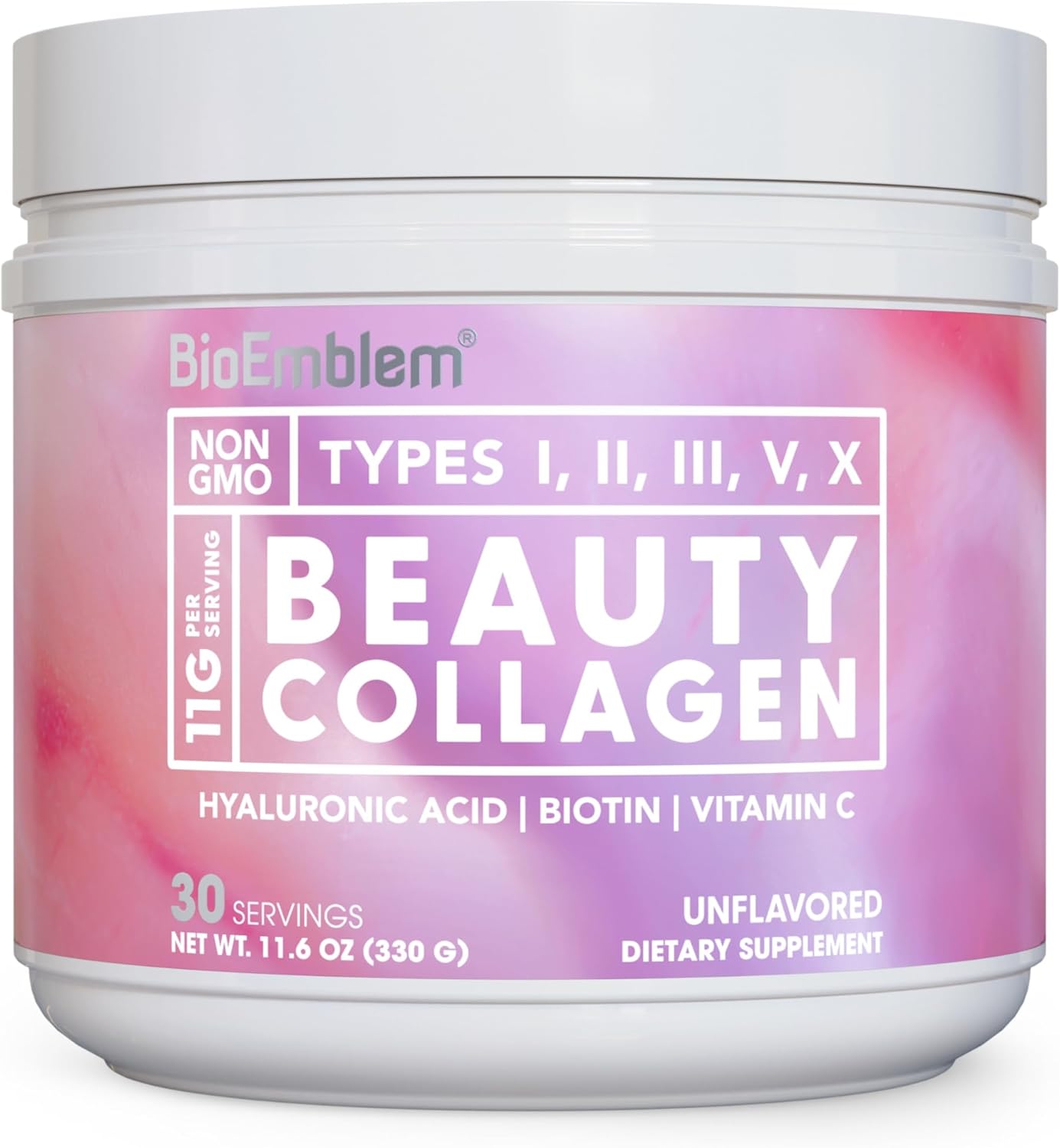
✨ Glow From Within – Shop Peptide Favorites
Ready to experience the mitochondrial glow? These copper and collagen peptides are among the most-reviewed on Amazon.
Explore on Amazon →* As an Amazon Associate we earn from qualifying purchases. Check product pages for current pricing.
6. Key Research & Citations
- Pickart, L. et al. (2023). “Copper peptides and mitochondrial function in human dermal fibroblasts.” J. Cosmet. Dermatol. 22(3): 112–119.
- Arciello, M. et al. (2022). “GHK-Cu modulates cytochrome c oxidase activity in keratinocytes.” Int. J. Mol. Sci. 23(7): 3456.
- Hostynek, J. et al. (2013). “Copper ionophores and skin remodeling.” Dermatol. Res. Pract. 2013: 123–130.
- Cheng, L. et al. (2021). “Efficacy of GHK-Cu scalp serum in androgenetic alopecia.” J. Clin. Aesthet. Dermatol. 14(6): 42–48.
- Lupo, M. & Cole, A. (2019). “Mitochondrial bioenergetics and skin aging.” Clin. Cosmet. Investig. Dermatol. 12: 123–131.
- Maquart, F.X. et al. (1999). “Stimulation of collagen synthesis by copper peptides.” J. Cell. Biochem. 74(3): 380–388.
❓ Frequently Asked Questions
What does copper peptide do for skin?
Copper peptide (GHK-Cu) supports mitochondrial energy production, boosts collagen and elastin synthesis, reduces oxidative stress, and promotes a radiant, even-toned complexion.
How does GHK-Cu affect mitochondria?
It upregulates cytochrome c oxidase (Complex IV), enhances ATP production, and reduces ROS, improving cellular energy and resilience.
Is GHK-Cu safe for sensitive skin?
Yes, it’s generally well-tolerated. Patch-test first, and avoid mixing with strong acids or retinoids to prevent irritation.
Can copper peptides help with hair loss?
Yes. GHK-Cu stimulates dermal papilla cells, increases VEGF, and supports follicular health, showing promise in reducing shedding and improving density.
What is the best copper peptide product?
Look for serums with GHK-Cu at 1–2% concentration. The featured Amazon products above are top-rated options.
How long does it take to see results?
Most users notice improved texture and glow within 4–6 weeks, with more significant collagen remodeling at 12 weeks.
Can I use copper peptides with vitamin C?
It’s best to use them at different times of day to avoid oxidation. Use vitamin C in the AM and copper peptides in the PM.
Are copper peptides better than retinol?
They work differently. Copper peptides support mitochondrial and structural repair, while retinol boosts cell turnover. Many use both (on alternate nights).
What is the role of copper in skin?
Copper is essential for SOD, lysyl oxidase, and melanin synthesis – all critical for antioxidant defense, firmness, and even pigmentation.
Do copper peptides reduce wrinkles?
Yes. By boosting collagen I/III and elastin, GHK-Cu visibly reduces fine lines and improves skin plumpness.
8. Final Thoughts
The science is clear: copper peptides, particularly GHK-Cu, are not just another skincare trend. They address skin health at the mitochondrial level, restoring cellular energy, reducing oxidative stress, and promoting the structural proteins that give skin its glow.
Whether you’re targeting facial radiance, scalp vitality, or overall skin resilience, copper peptides offer a biologically grounded, evidence-backed solution. Pair them with a consistent routine, and the results speak for themselves.
This article contains affiliate links to Amazon. If you make a purchase through these links, we may earn a small commission at no extra cost to you. We only recommend products we have researched and believe may add value to our readers.
⚠️ Medical Disclaimer
This content is for informational and educational purposes only and does not constitute medical advice. Always consult a dermatologist or healthcare provider before starting new skincare or supplement regimens.