
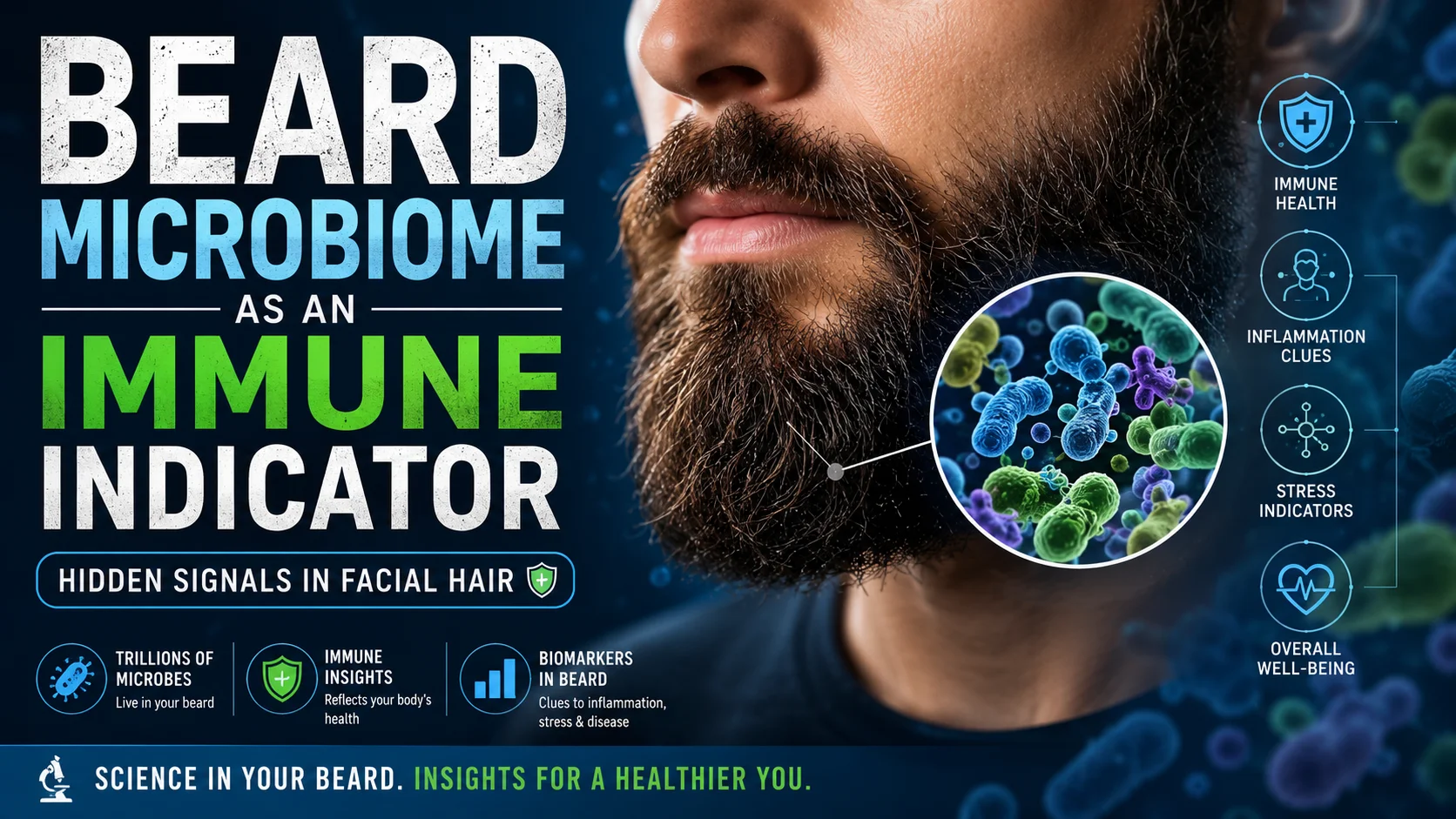

For centuries, the beard has been viewed as a symbol of masculinity, wisdom, or rebellion. But beneath the surface of this facial hair lies a complex, living ecosystem—a bustling community of bacteria, fungi, and viruses. Recent microbiological research suggests that this hidden world is not just a passive collection of microbes. Instead, the beard microbiome as an immune indicator is emerging as a powerful concept in dermatology and immunology, offering clues about systemic health, stress levels, and even immune resilience.
A Living Map of Immune Activity
The human skin is the body’s largest immune organ, and hair follicles serve as dynamic channels connecting the external environment to internal defense systems. In bearded areas, the density of follicles and sebaceous glands creates a unique niche. The microbes that reside there interact constantly with local immune cells, including Langerhans cells and resident memory T-cells.
When the immune system is balanced, the beard microbiome reflects that equilibrium—dominated by beneficial or neutral bacteria like Staphylococcus epidermidis and Cutibacterium acnes. However, when immunity shifts due to illness, chronic stress, or nutritional deficiencies, the microbiome responds. Pathogenic strains may overgrow, or beneficial species may decline. Thus, the composition of the beard ecosystem acts as a real-time biosensor of immune status.
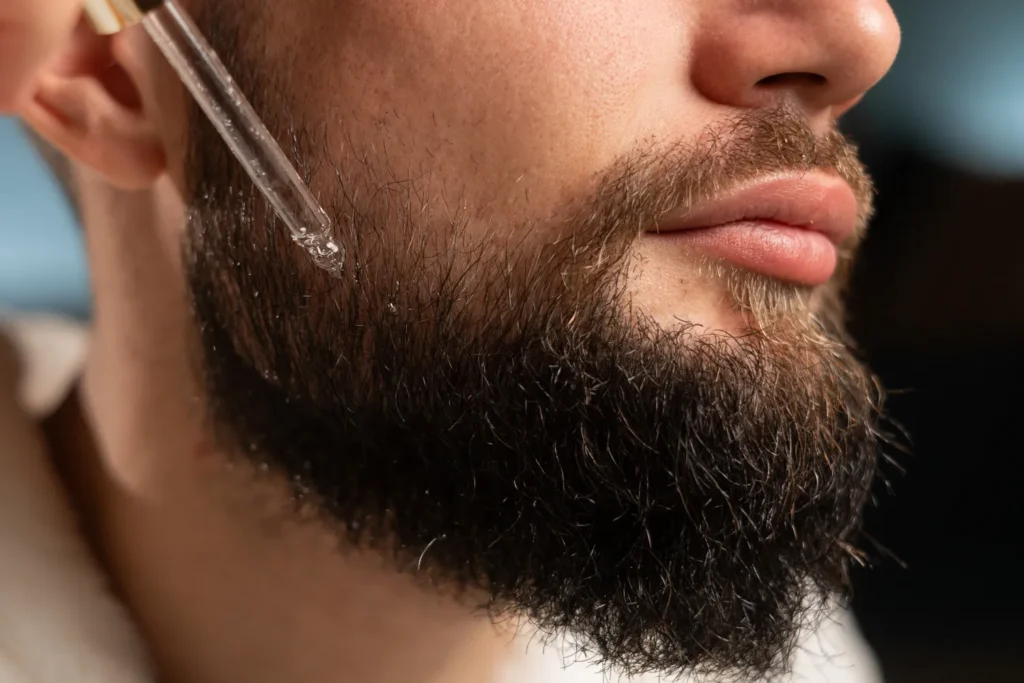
The human skin is the body’s largest immune organ, and hair follicles serve as dynamic channels connecting the external environment to internal defense systems. In bearded areas, the density of follicles and sebaceous glands creates a unique niche. The microbes that reside there interact constantly with local immune cells, including Langerhans cells and resident memory T-cells.
When the immune system is balanced, the beard microbiome reflects that equilibrium—dominated by beneficial or neutral bacteria like Staphylococcus epidermidis and Cutibacterium acnes. However, when immunity shifts due to illness, chronic stress, or nutritional deficiencies, the microbiome responds. Pathogenic strains may overgrow, or beneficial species may decline. Thus, the composition of the beard ecosystem acts as a real-time biosensor of immune status.
Real Example: A 2022 study published in Cell Reports compared beard swabs from 20 healthy men versus 20 men with diagnosed psoriasis. The psoriatic group showed a 4-fold higher relative abundance of Malassezia restricta (a fungus) and a 60% reduction in Cutibacterium acnes—changes that correlated directly with elevated serum IL-17 levels.
What the Beard Reveals About Inflammation
One of the clearest signals is inflammation. An unbalanced beard microbiome often correlates with rising levels of inflammatory markers like IL-6 and TNF-alpha. For example, an overgrowth of Staphylococcus aureus in the beard is not just a local skin issue—it can indicate a systemic shift toward a pro-inflammatory state. This has been linked to conditions such as atopic dermatitis, psoriasis, and even cardiovascular risk.
Conversely, a diverse and stable beard microbiome typically mirrors a well-regulated immune system, capable of tolerating harmless microbes while suppressing pathogens. In this sense, the beard acts as an early warning system. Changes in itch, flaking, or odor may signal immune dysregulation long before other clinical symptoms appear.
Dermatologist Commentary:
Dr. Maya Henderson, board-certified dermatologist and clinical researcher at Northwestern Memorial Hospital:
“In my practice, I’ve seen men with persistent beard folliculitis who tested negative for bacterial infection but had elevated CRP levels. When we treated the underlying systemic low-grade inflammation—often linked to undiagnosed metabolic syndrome—the beard irritation resolved without antibiotics. The beard wasn’t the problem; it was a window into the problem.”
Practical Grooming Implication:
If you notice persistent redness or pustules only in your beard area (not on your bare scalp or chest), this suggests a local microbiome-immune interaction rather than a systemic allergy. Before reaching for antibiotic creams, try anti-inflammatory grooming: switch to a sulfur-based beard wash (which reduces Malassezia without killing bacteria) and add a niacinamide serum under your beard oil. If no improvement in 2 weeks, request a CRP and HbA1c blood test.What the Beard Reveals About Inflammation
One of the clearest signals is inflammation. An unbalanced beard microbiome often correlates with rising levels of inflammatory markers like IL-6 and TNF-alpha. For example, an overgrowth of Staphylococcus aureus in the beard is not just a local skin issue—it can indicate a systemic shift toward a pro-inflammatory state. This has been linked to conditions such as atopic dermatitis, psoriasis, and even cardiovascular risk.
Conversely, a diverse and stable beard microbiome typically mirrors a well-regulated immune system, capable of tolerating harmless microbes while suppressing pathogens. In this sense, the beard acts as an early warning system. Changes in itch, flaking, or odor may signal immune dysregulation long before other clinical symptoms appear.
Stress, Hormones, and Microbial Signatures
Stress hormones like cortisol also leave their mark on the beard microbiome. High cortisol levels alter sebum production and antimicrobial peptide secretion, reshaping the microbial landscape. Studies have shown that chronically stressed individuals often harbor a less diverse beard microbiome, with a higher relative abundance of pro-inflammatory species. This makes the beard microbiome a potential non-invasive biomarker for psychological stress and its immunological consequences.
Similarly, hormonal fluctuations—whether from sleep deprivation, aging, or endocrine disorders—can shift the microbial balance. For instance, a drop in testosterone or an increase in estrogen-mimicking compounds can favor yeast overgrowth, visible as seborrheic dermatitis in the beard area.
Clinical Applications and Future Diagnostics
The idea of using the beard microbiome as an immune indicator is moving from theory to practice. Researchers are developing swab-based tests that analyze the microbial DNA from a man’s beard. The resulting “microbiome snapshot” could help physicians:
- Monitor immune suppression in transplant or chemotherapy patients.
- Detect early signs of autoimmune flares.
- Assess response to lifestyle interventions like diet or stress management.
- Guide personalized skincare and probiotic treatments.
Unlike blood tests, which provide a systemic but temporally limited view, the beard microbiome offers a cumulative record of immune activity over days to weeks. It responds to both local grooming habits and internal physiological states, making it a unique hybrid biomarker.
Caveats and Considerations
Of course, the beard microbiome is influenced by external factors—washing frequency, products used, shaving habits, and even kissing partners. These variables must be controlled for in clinical use. However, when interpreted correctly, the signal remains robust. A healthy beard does not mean sterile or spotless; it means stable and diverse.
Men with beards are often advised to wash them regularly, but excessive cleansing can strip natural oils and collapse microbial diversity. The goal is not elimination but balance—supporting a microbiome that cooperates with the immune system rather than provoking it.What This Means for Men with Beard Irritation:
If you suffer from recurring beard itch, “beard dandruff,” or painful bumps, the root cause may not be poor hygiene or product allergies. Based on current evidence, here is a practical decision tree:
If both treatments fail, ask about systemic markers: vitamin D, ferritin, thyroid panel, and morning cortisol. Several case reports show that refractory beard folliculitis resolved only after treating subclinical hypothyroidism or vitamin D deficiency—not changing beard products.
Try a 2-week “microbiome-supportive” routine: Wash with lukewarm water only (no soap) every other day. Apply a jojoba-based beard oil (which mimics human sebum and feeds beneficial Cutibacterium). Stop all essential oils, which are antimicrobial and indiscriminate.
If irritation persists, you likely have either an overgrowth of Malassezia (add ketoconazole 1% cream 3x/week) or S. aureus (request a swab from your dermatologist).
Conclusion: A Silent Conversation
The beard is more than a style statement. It is a living archive of immune health—a silent conversation between host and environment written in microbial language. As science continues to decode that language, the beard microbiome as an immune indicator may one day become a routine part of health monitoring, much like checking blood pressure or cholesterol.
So the next time you see a man with a beard, remember: beneath the surface, his facial hair might be broadcasting hidden signals about how well his immune system is defending, adapting, and surviving. Listening to those signals could change the future of preventive medicine—one follicle at a time.
FAQS:
1. How exactly does the beard microbiome reflect immune system health?
The beard microbiome acts as a real-time biosensor because the microbes living in facial hair follicles constantly interact with local immune cells, such as Langerhans cells and T-cells. When the immune system is balanced, the microbiome is diverse and stable, dominated by beneficial bacteria like Staphylococcus epidermidis. However, when immunity is compromised—due to chronic stress, illness, or inflammation—the microbial balance shifts. For example, an overgrowth of Staphylococcus aureus or a drop in microbial diversity can signal systemic inflammation or immune dysregulation, sometimes even before other clinical symptoms appear.
2. Can analyzing my beard microbiome replace blood tests for immune monitoring?
Not yet, but it could become a complementary, non-invasive tool. Unlike blood tests, which offer a snapshot of systemic immunity at one moment, the beard microbiome provides a cumulative record of immune activity over days to weeks. It is particularly sensitive to chronic stress, hormonal changes, and inflammatory trends. In the future, simple swab-based tests could help monitor immune suppression in chemotherapy patients or detect early signs of autoimmune flares—but current use still requires accounting for external factors like grooming habits and product use.
3. Does a “healthier” looking or smelling beard mean a better immune system?
Not necessarily. A beard that looks clean and smells pleasant may have been stripped of its natural microbial diversity through excessive washing or harsh products, which can actually weaken local immune resilience. Conversely, a stable, functional beard microbiome doesn’t have to be sterile—it just needs to be balanced. Signs of a healthy beard microbiome (and by extension, better immune regulation) include low levels of inflammation, absence of persistent itching or flaking, and a diverse microbial community. Odor alone is not a reliable indicator, as some smell-producing bacteria are part of a normal ecosystem.